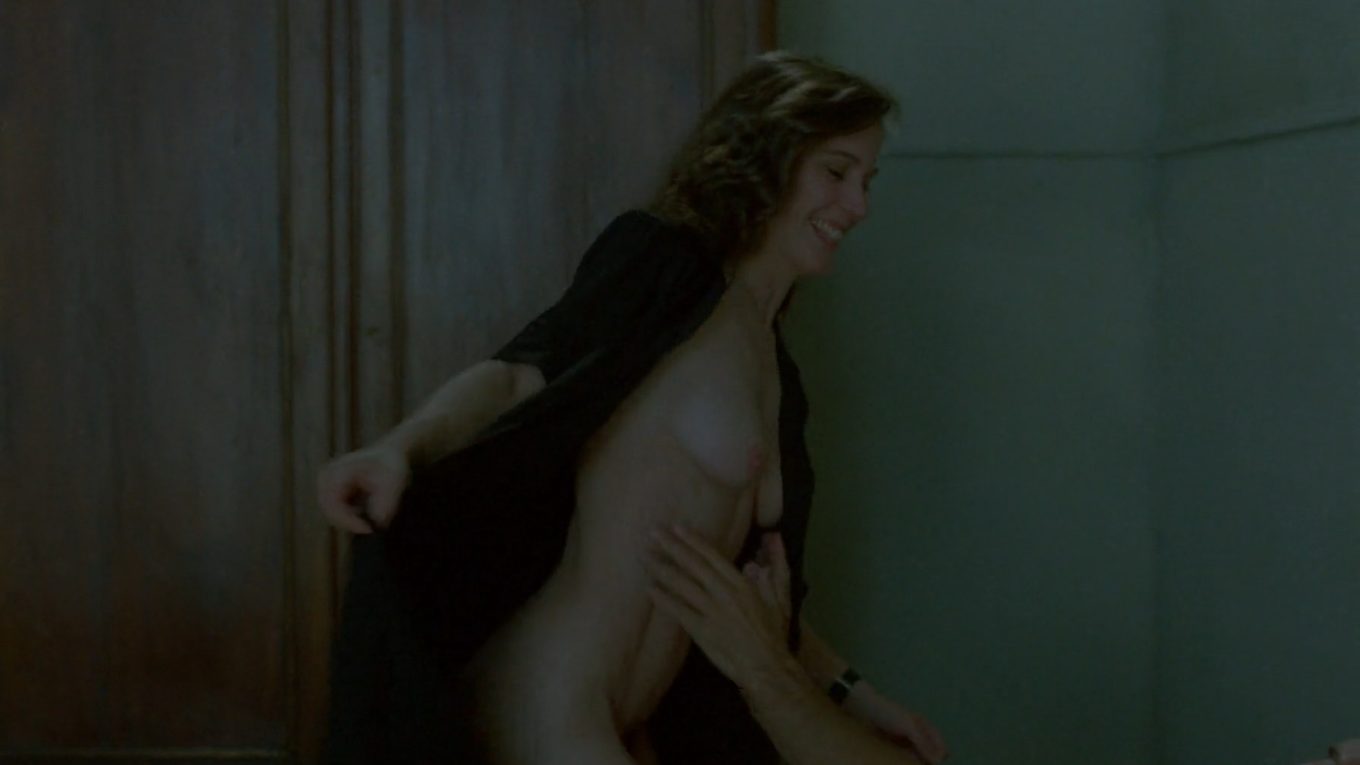
Teresa Madruga – Dans La Ville Blanche – 1080p
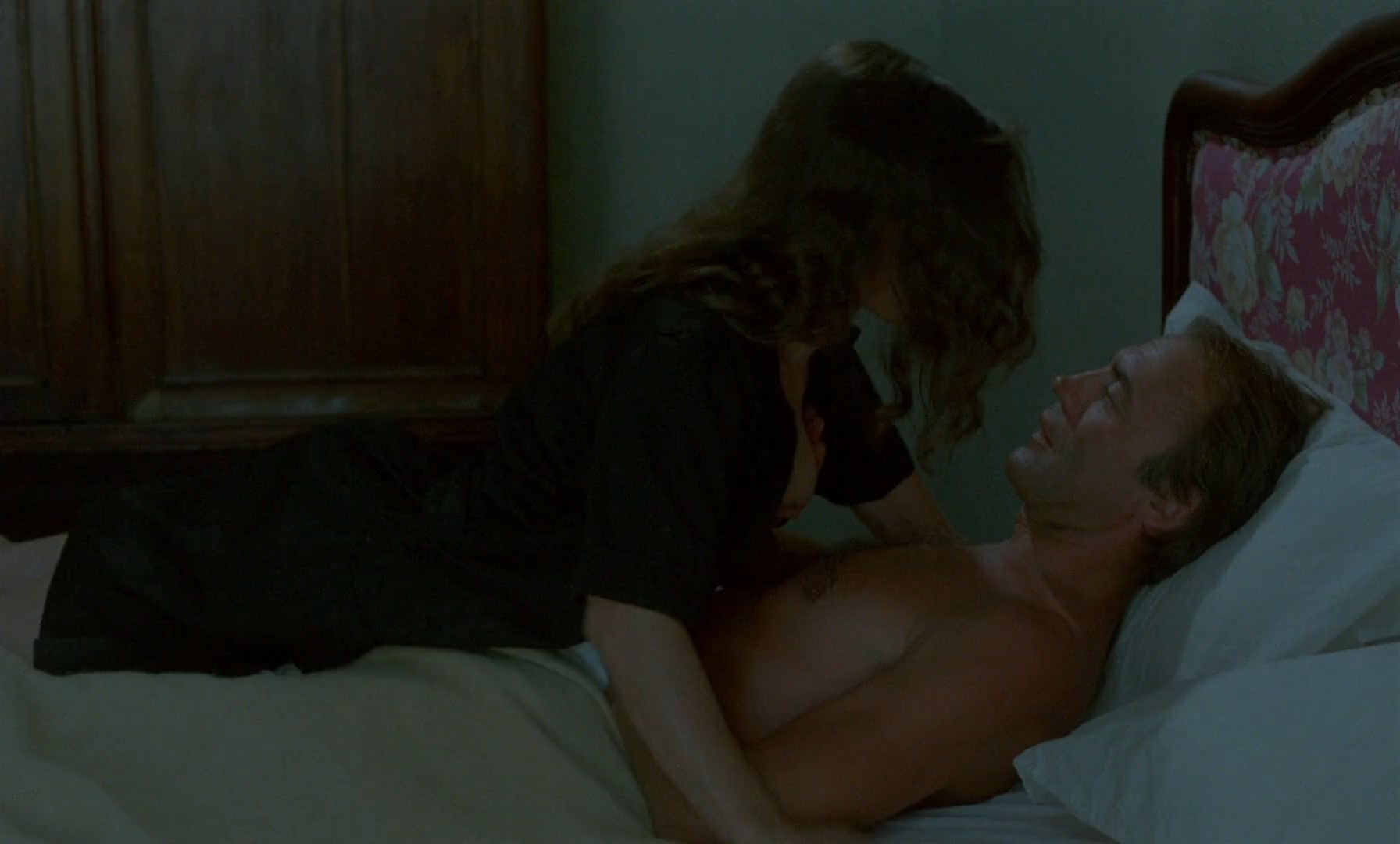
Quite dark scene where Teresa Madruga enters a room and she walks to some guy, she opens her shirt exposing her tits
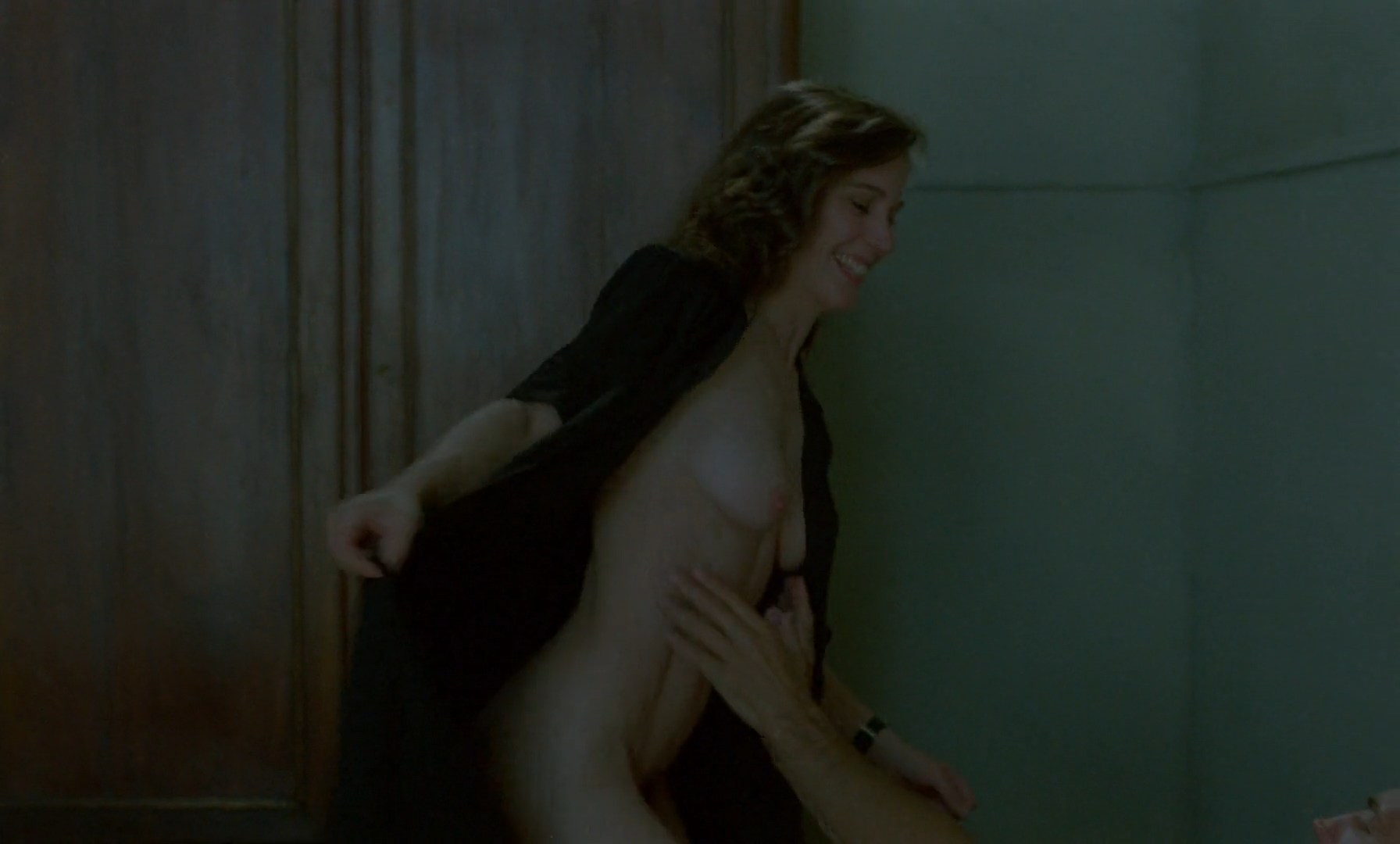

Grainy footage of Teresa Madruga laying on bed. She shows briefly her ass

Teresa Madruga shows her bush when she comes to the room with some guy, she then lays on a bed and the guy goes down on her

Teresa Madruga bangs some guy behind a thing. You can briefly s

Dans la ville blanche — released internationally as In the White City — is a contemplative Swiss-Portuguese drama directed by Alain Tanner and starring Bruno Ganz. It’s one of the defining European art films of the early 1980s and is especially admired for its atmosphere, existential tone, and portrait of Lisbon.
Story
The film follows Paul, a Swiss sailor working aboard an oil tanker. Exhausted by the mechanical, alienating life at sea, he abandons the ship during a stop in Lisbon and drifts through the city without any clear plan. He rents a room in a modest hotel, films the city with a Super 8 camera, writes letters to his girlfriend Élisa back in Switzerland, and begins a relationship with Rosa, a local bartender and chambermaid.
Rather than focusing on plot, the movie explores:
- loneliness and emotional disconnection
- escape from modern industrial life
- wandering and self-erasure
- the seductive melancholy of Lisbon
- the impossibility of fully starting over
Paul is less a conventional protagonist than a drifting observer. The film gradually becomes a portrait of psychological suspension — someone trying to disappear from his previous life without knowing what should replace it.
Style and themes
The movie is famous for its dreamy, impressionistic structure. Tanner mixes:
- 35mm cinematic photography
- grainy Super 8 footage supposedly shot by Paul himself
- letters read in voice-over
- long stretches of silence and urban wandering
This creates a feeling halfway between documentary, diary, and fiction. The “white city” of the title refers to Lisbon’s bright light and pale architecture, but also to emotional emptiness and abstraction.
Many critics compare the film’s mood to the work of:
- Michelangelo Antonioni
- Wim Wenders
- Fernando Pessoa (in spirit rather than direct adaptation)
Bruno Ganz’s performance
Bruno Ganz gives an understated, deeply internal performance. Years before becoming internationally famous for Wings of Desire and later Downfall, he specialized in quiet, psychologically complex characters. Here he barely speaks at times, yet carries the entire film through presence and mood.
Reception and legacy
The film was screened at the Berlin International Film Festival and selected as Switzerland’s submission for the Academy Award for Best Foreign Language Film.
Today it’s considered:
- a landmark of Swiss auteur cinema
- one of the great cinematic portraits of Lisbon
- an influential “drifting man in a city” film
It especially appeals to viewers who enjoy slow cinema, existential European dramas, and films driven more by mood than by narrative action.

Recent Comments