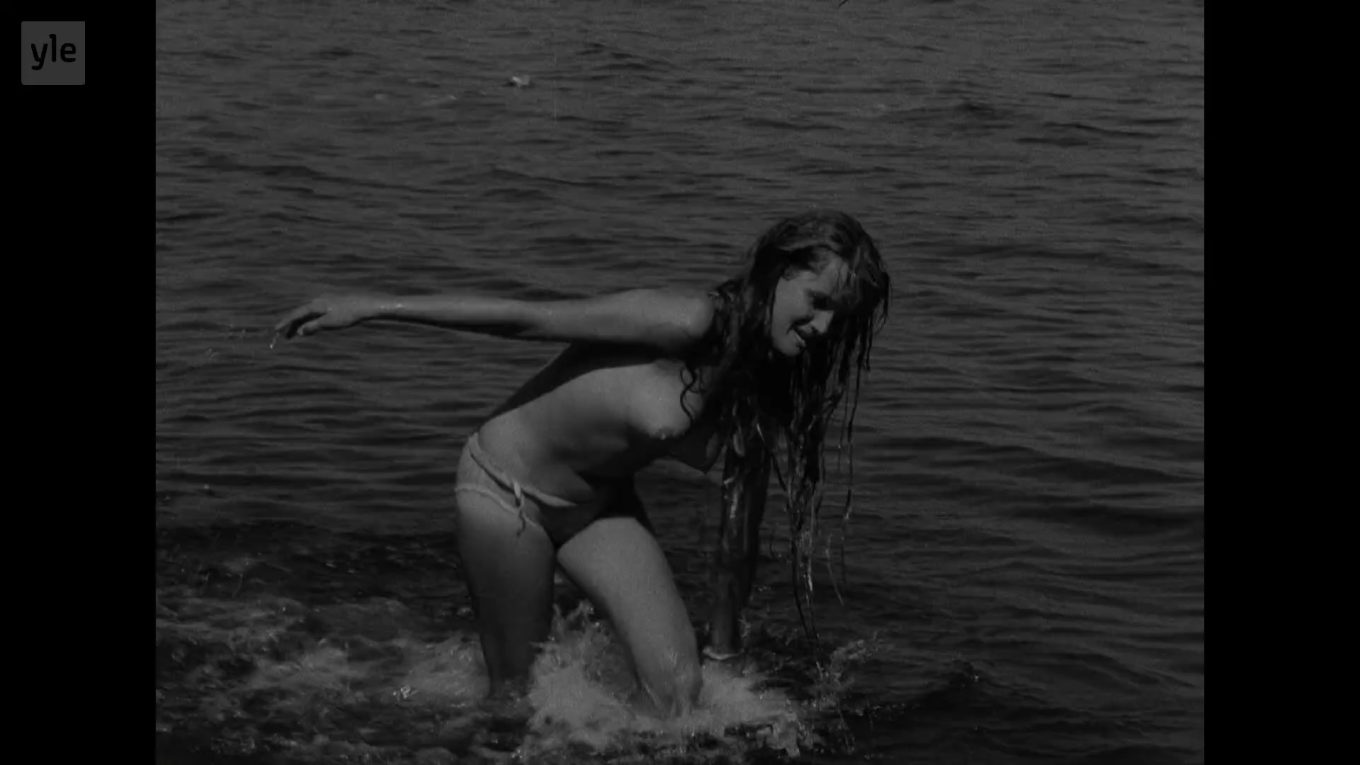
Kirsti Wallasvaara, Kristiina Halkola, Anneli Sauli – Käpy Selän Alla – 1080p
Kirsti Wallasvaara bangs some guy in the forest, while Kristiina Halkola is trying find them. Kirsti shows her tits
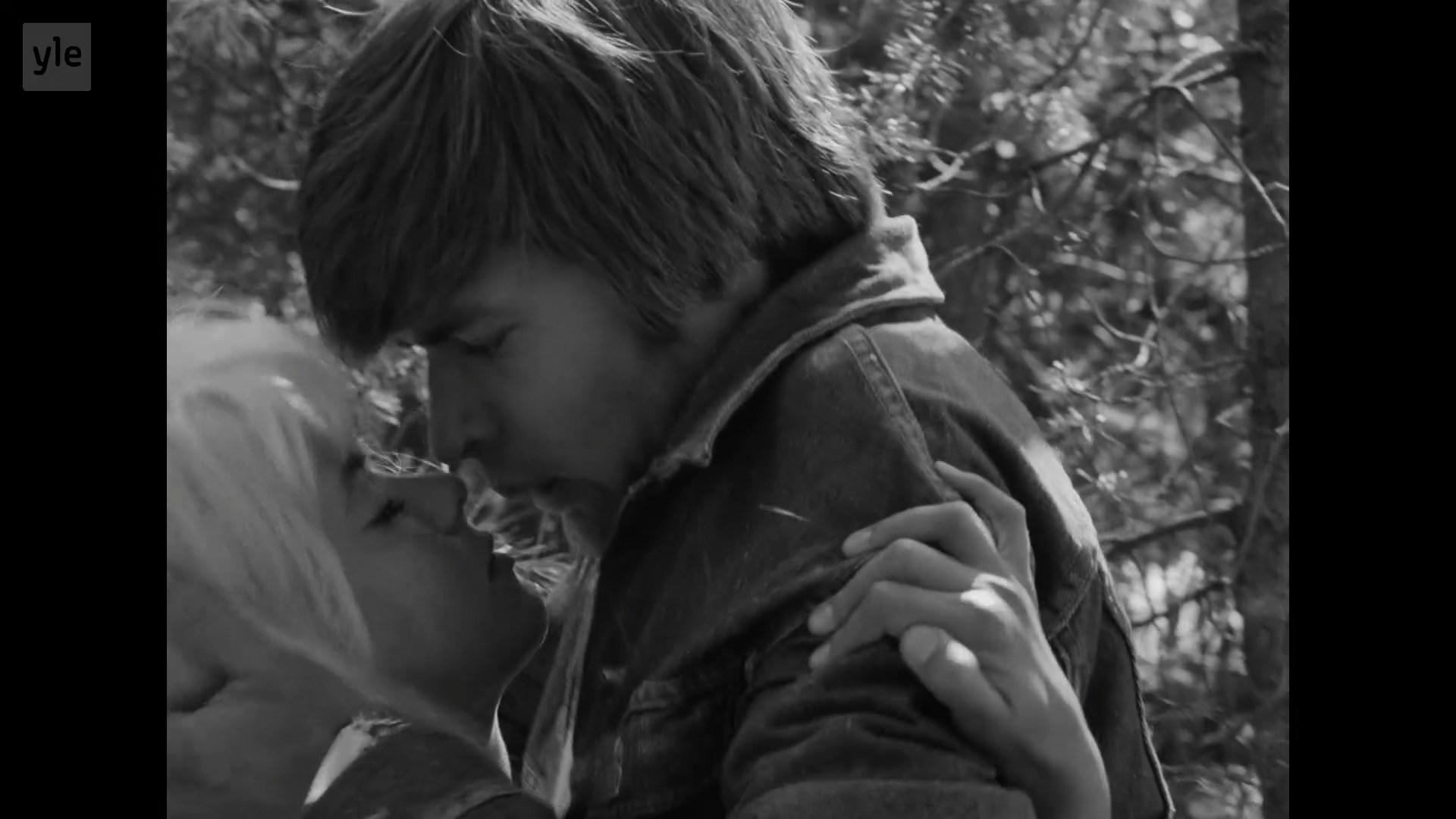

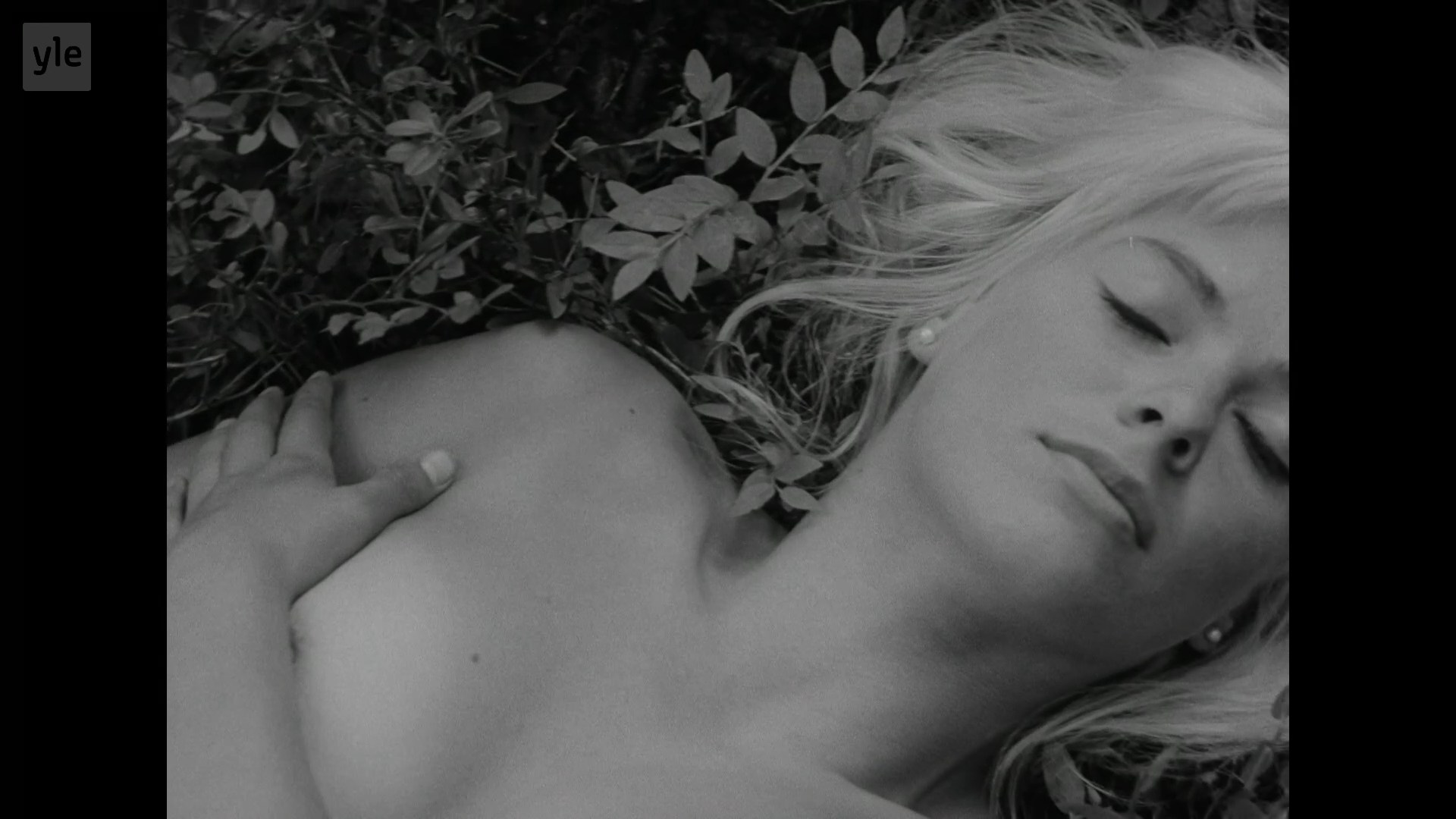

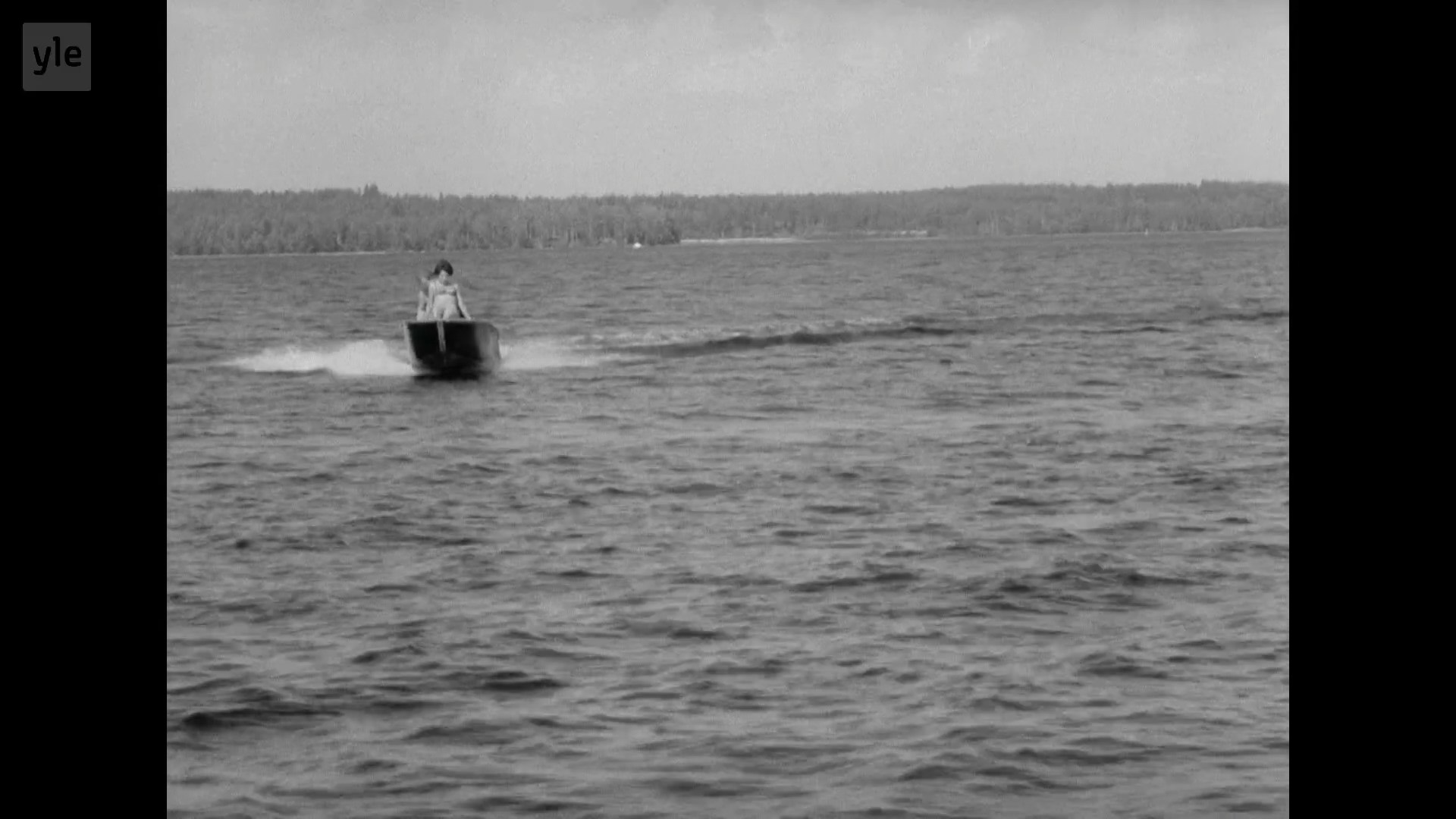
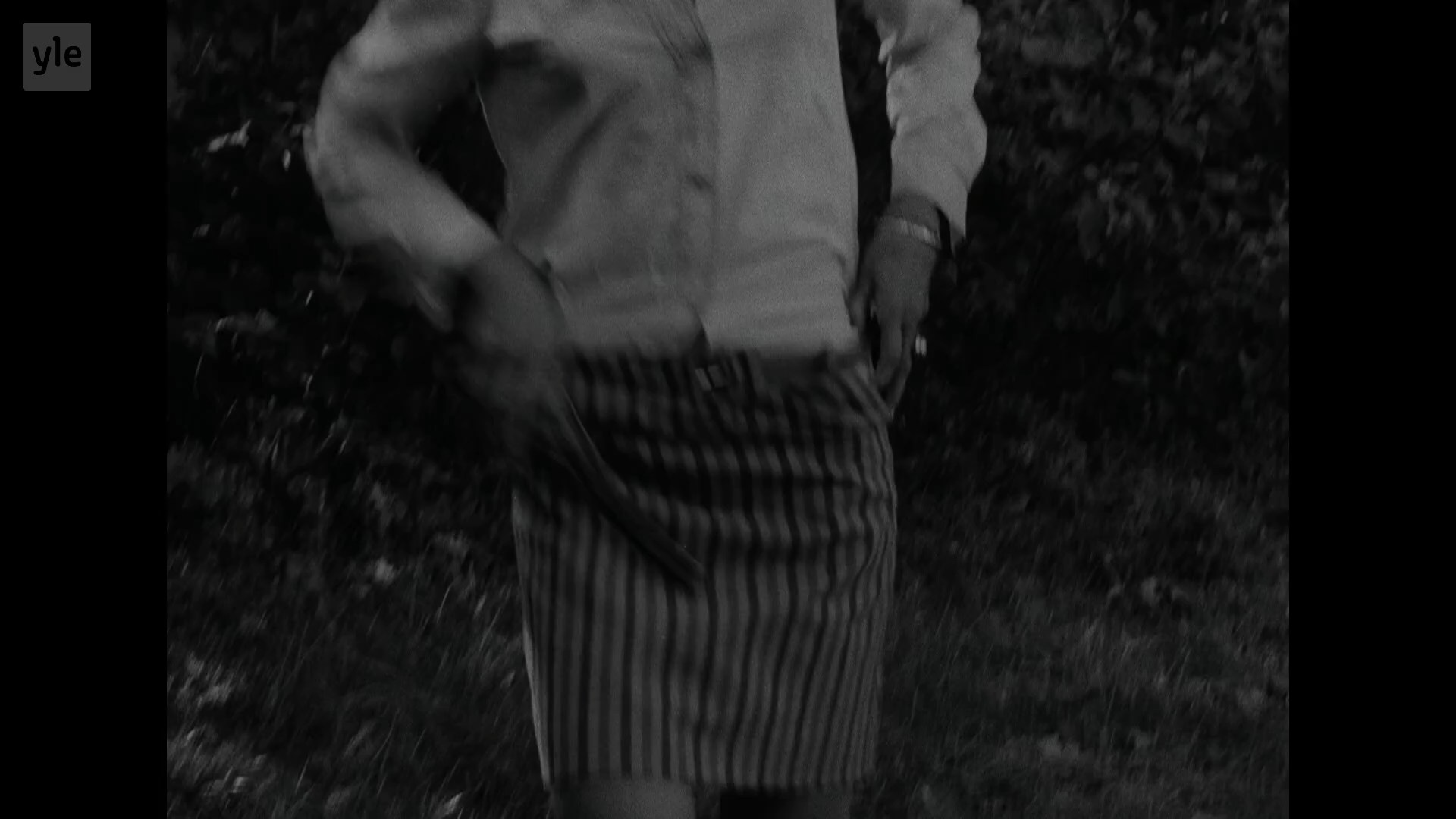
Bikini babe Anneli Sauli arrives next to Kirsti Wallasvaara and Kristiina Halkola in a boat, she the leaves and Kirsti Wallasvaara and Kristiina Halkola play fights with their men.
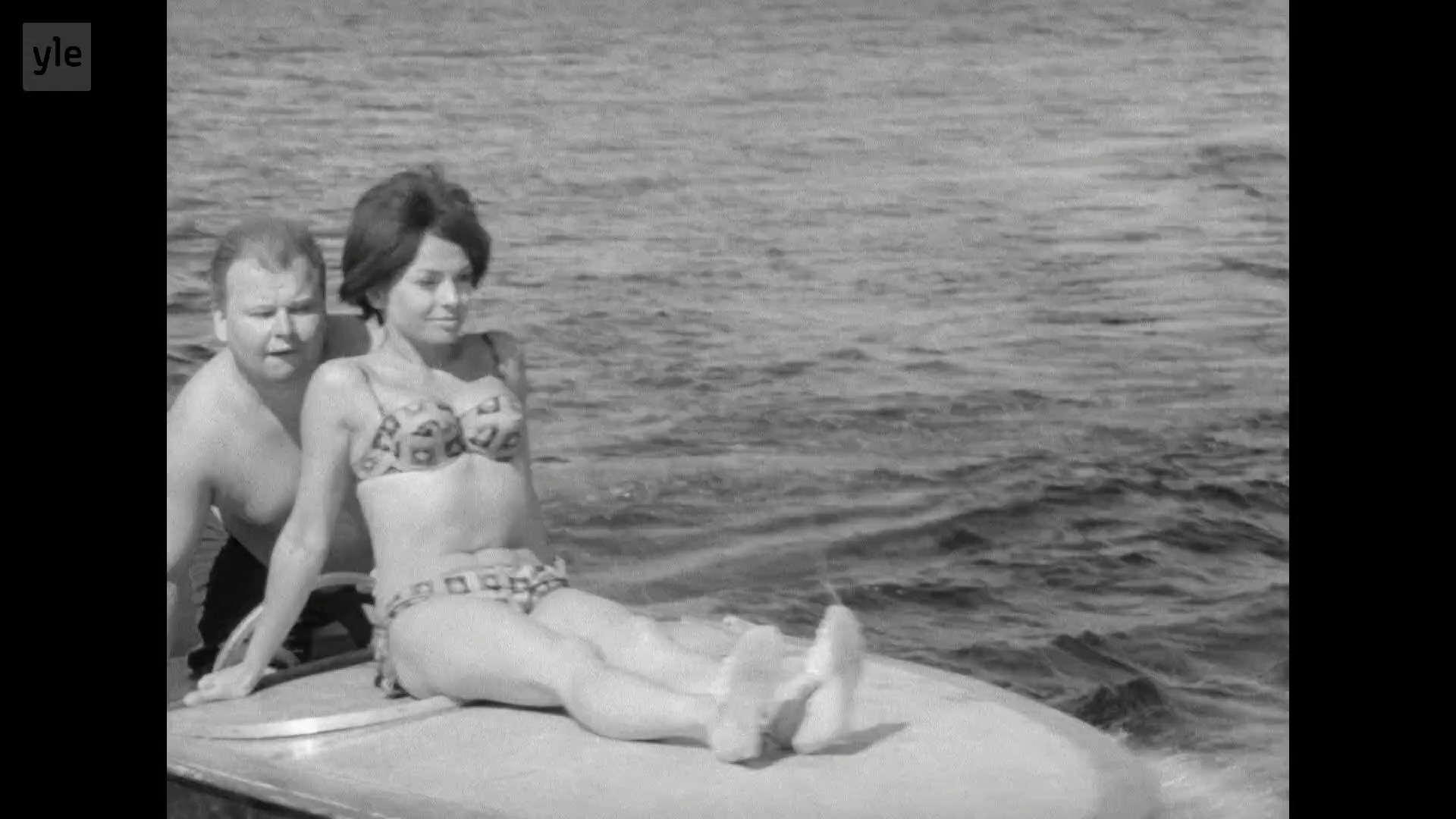
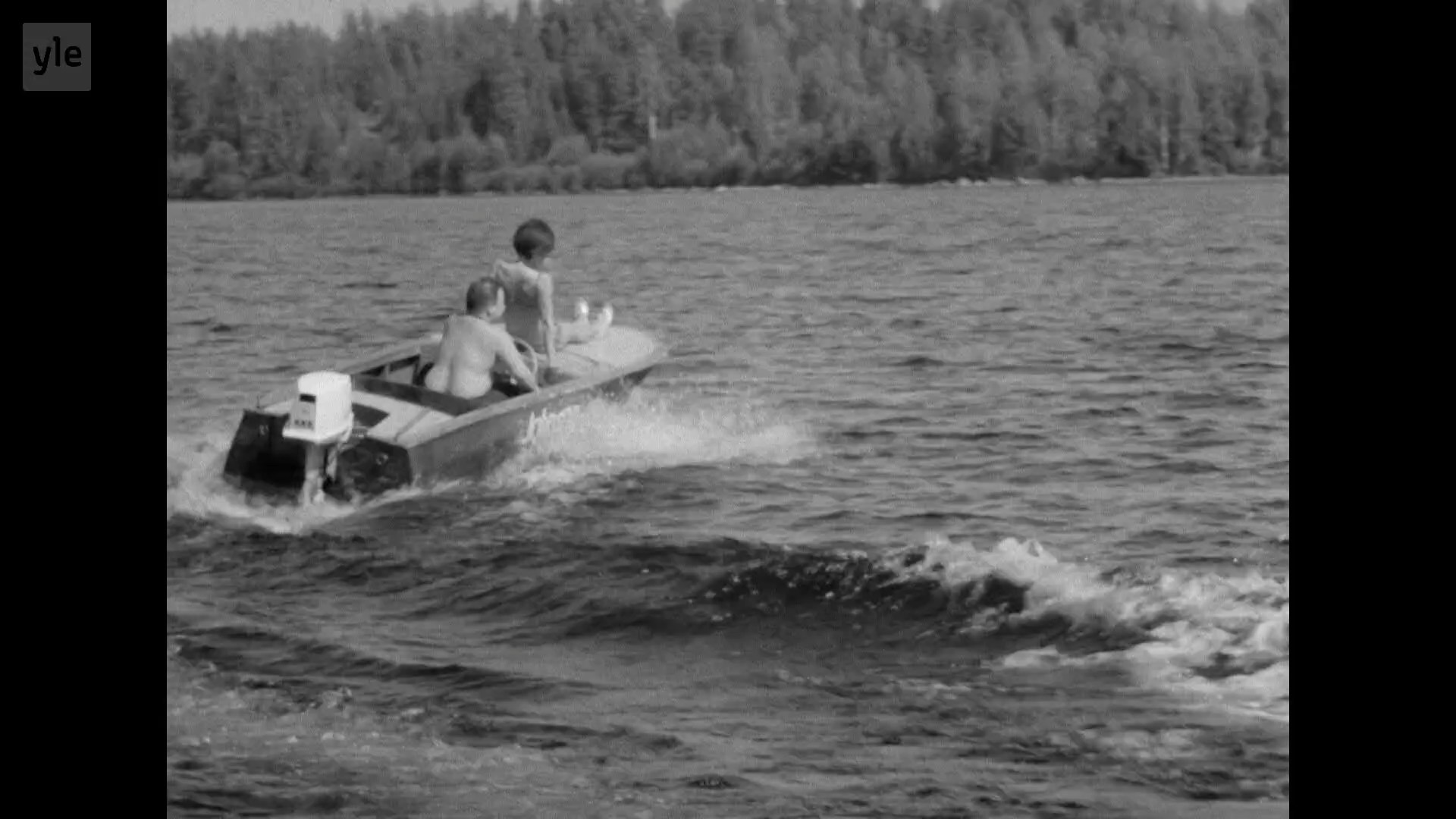
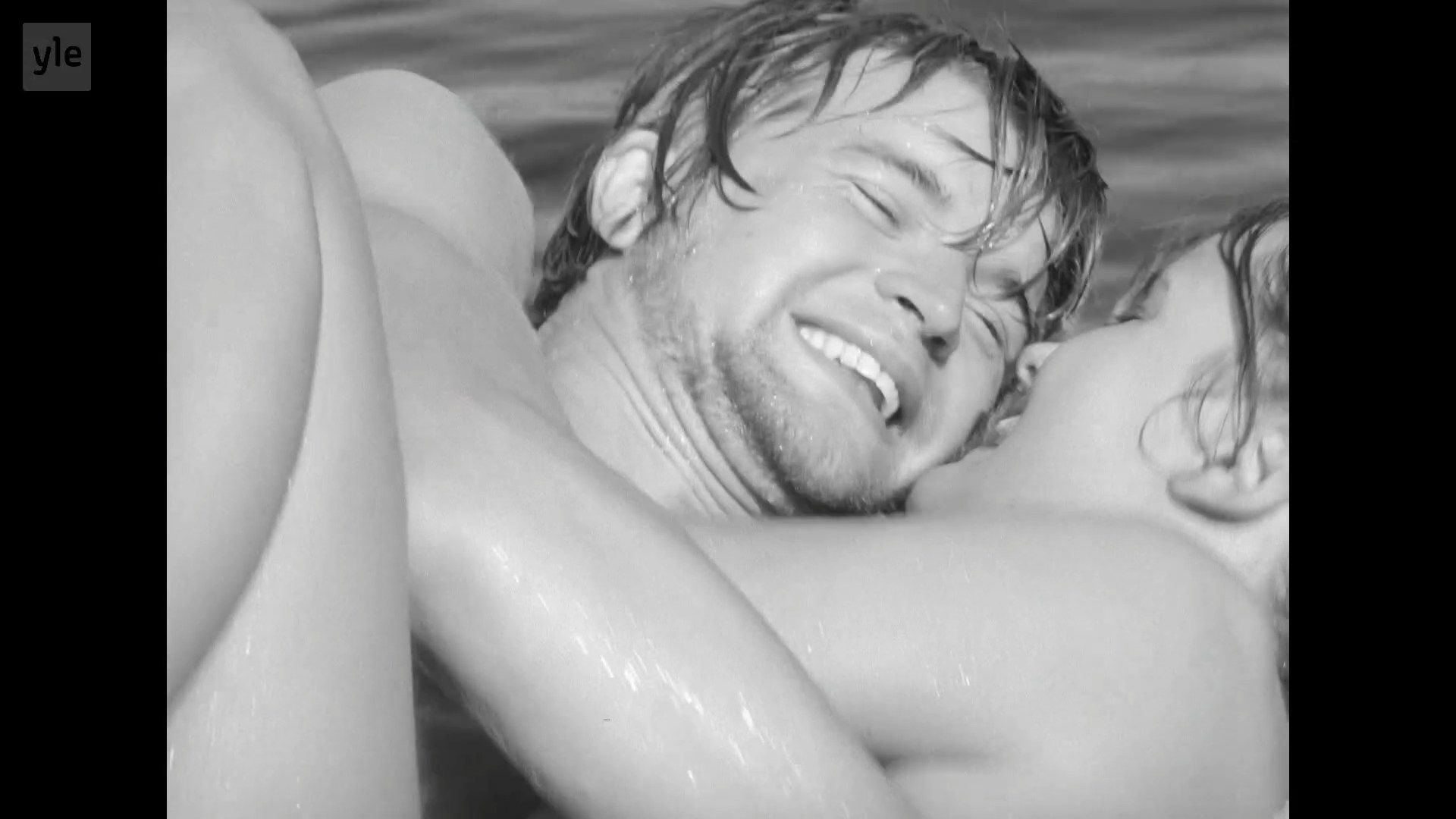
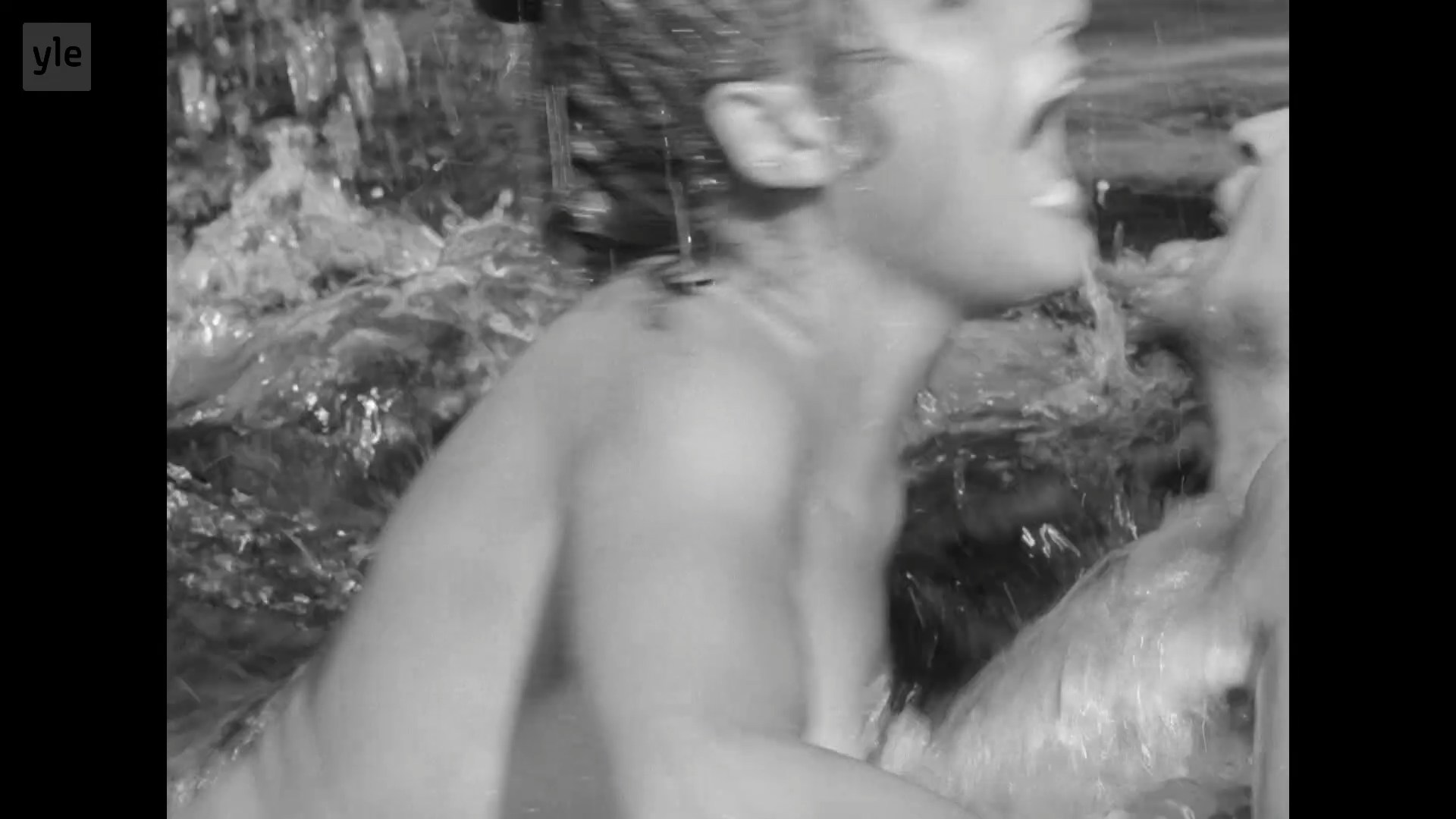
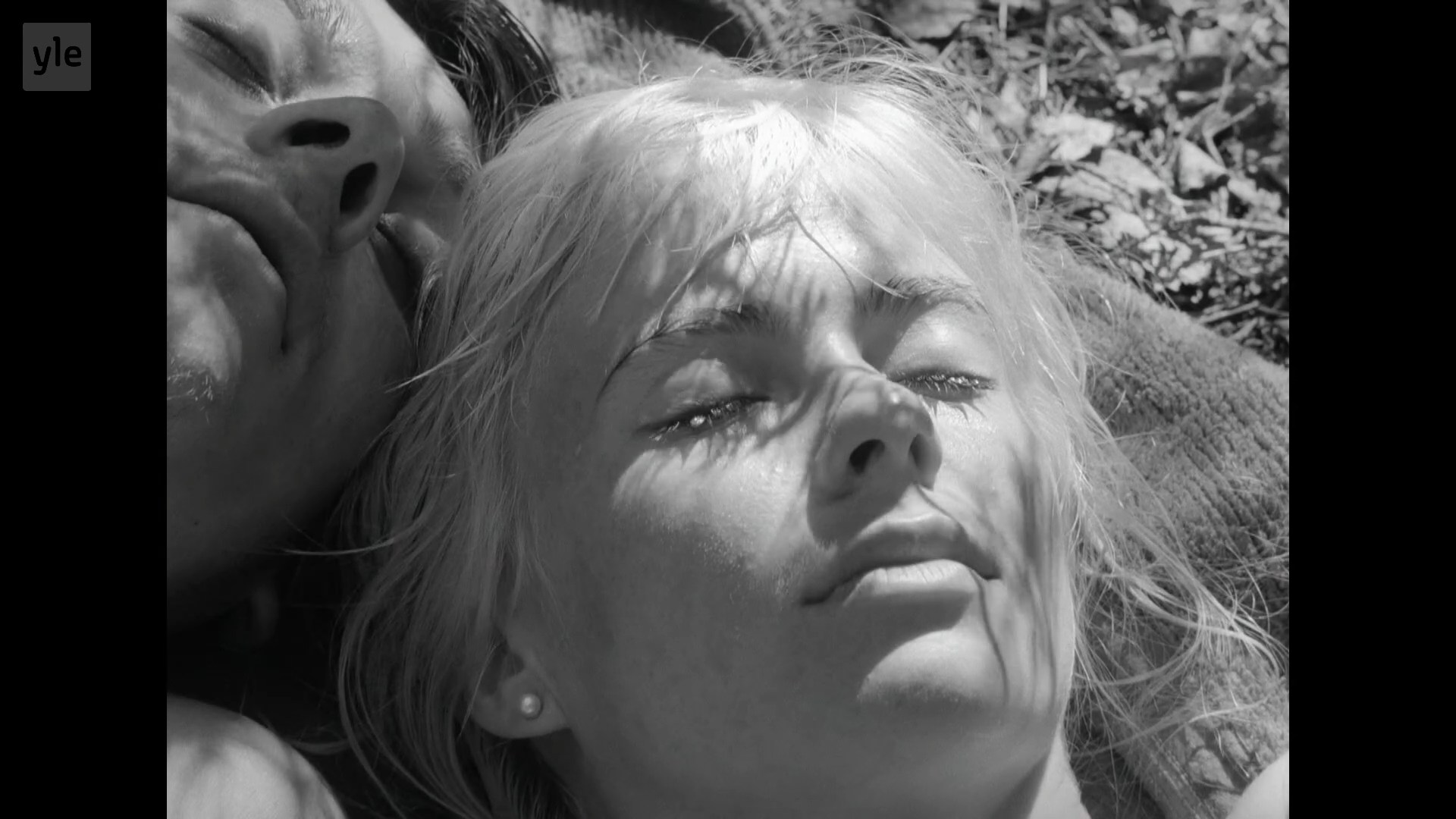
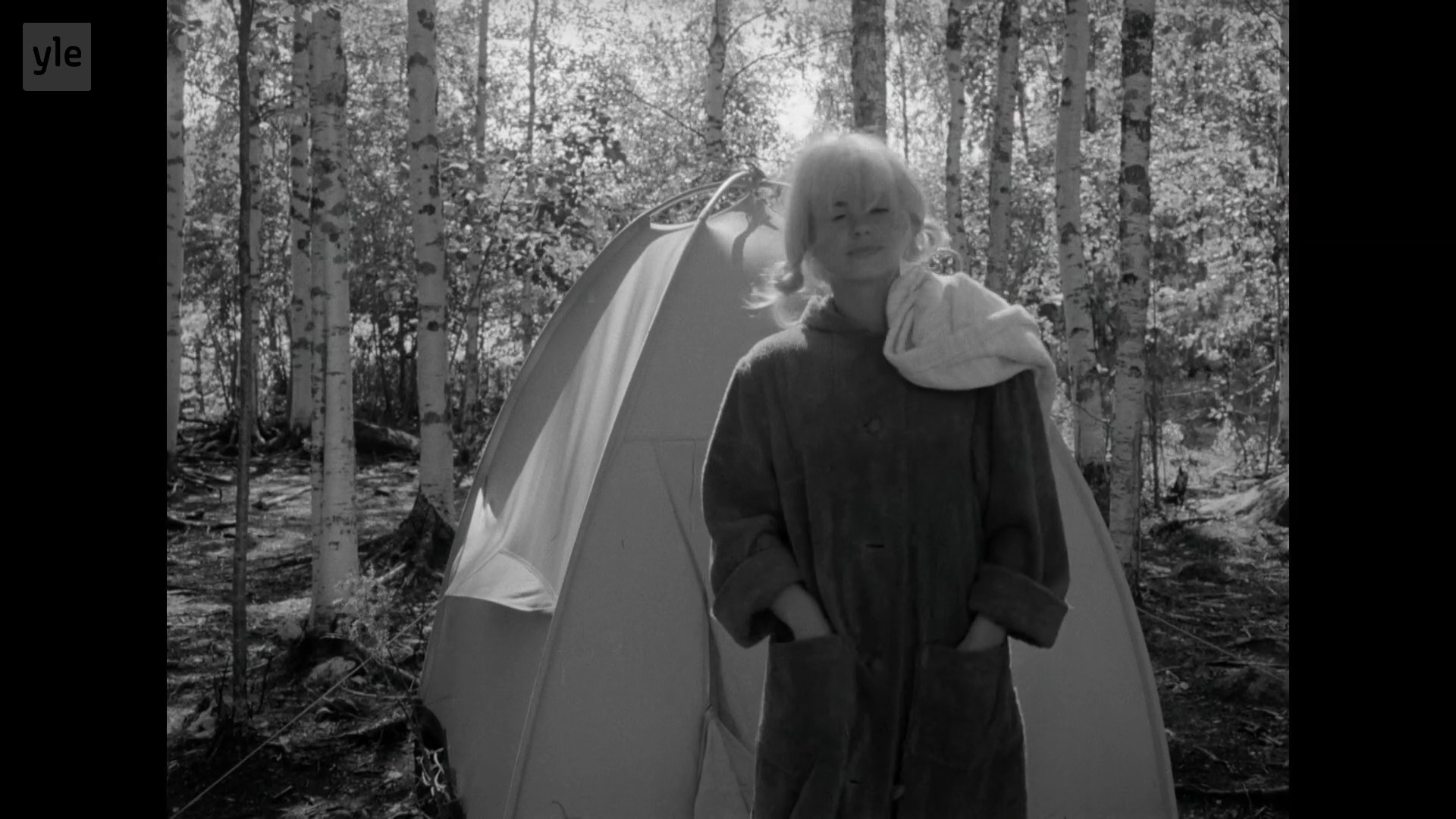
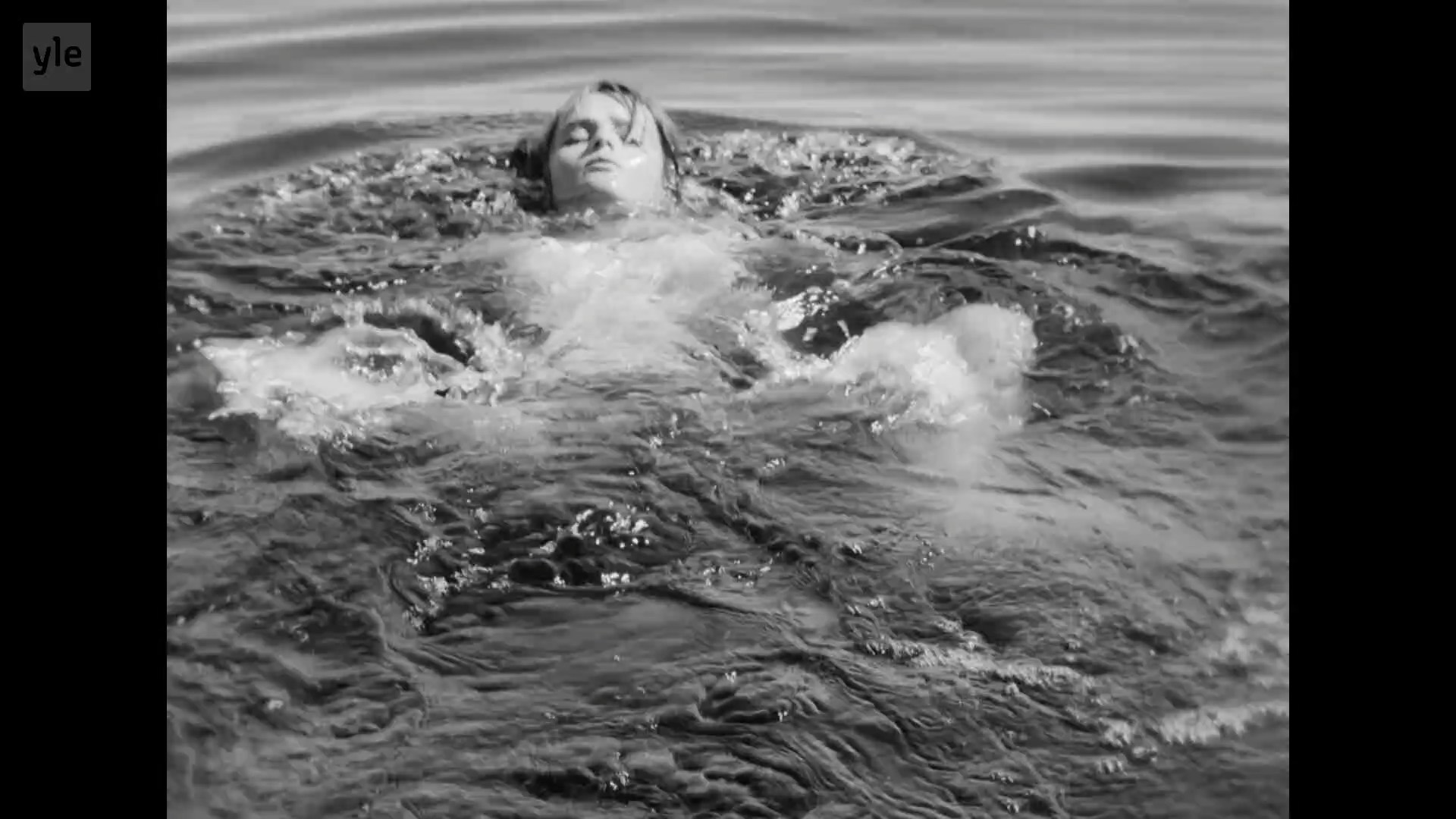
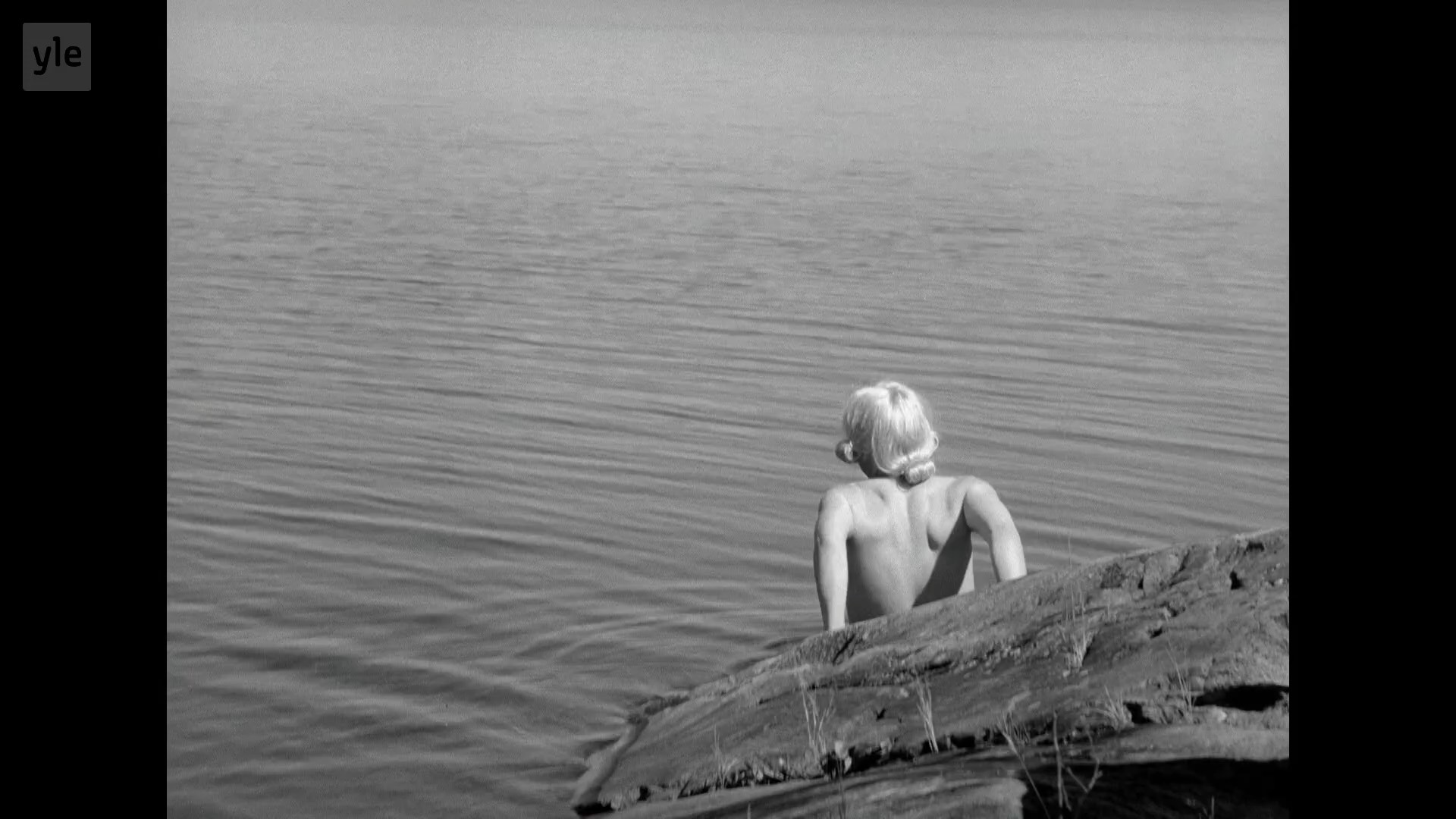
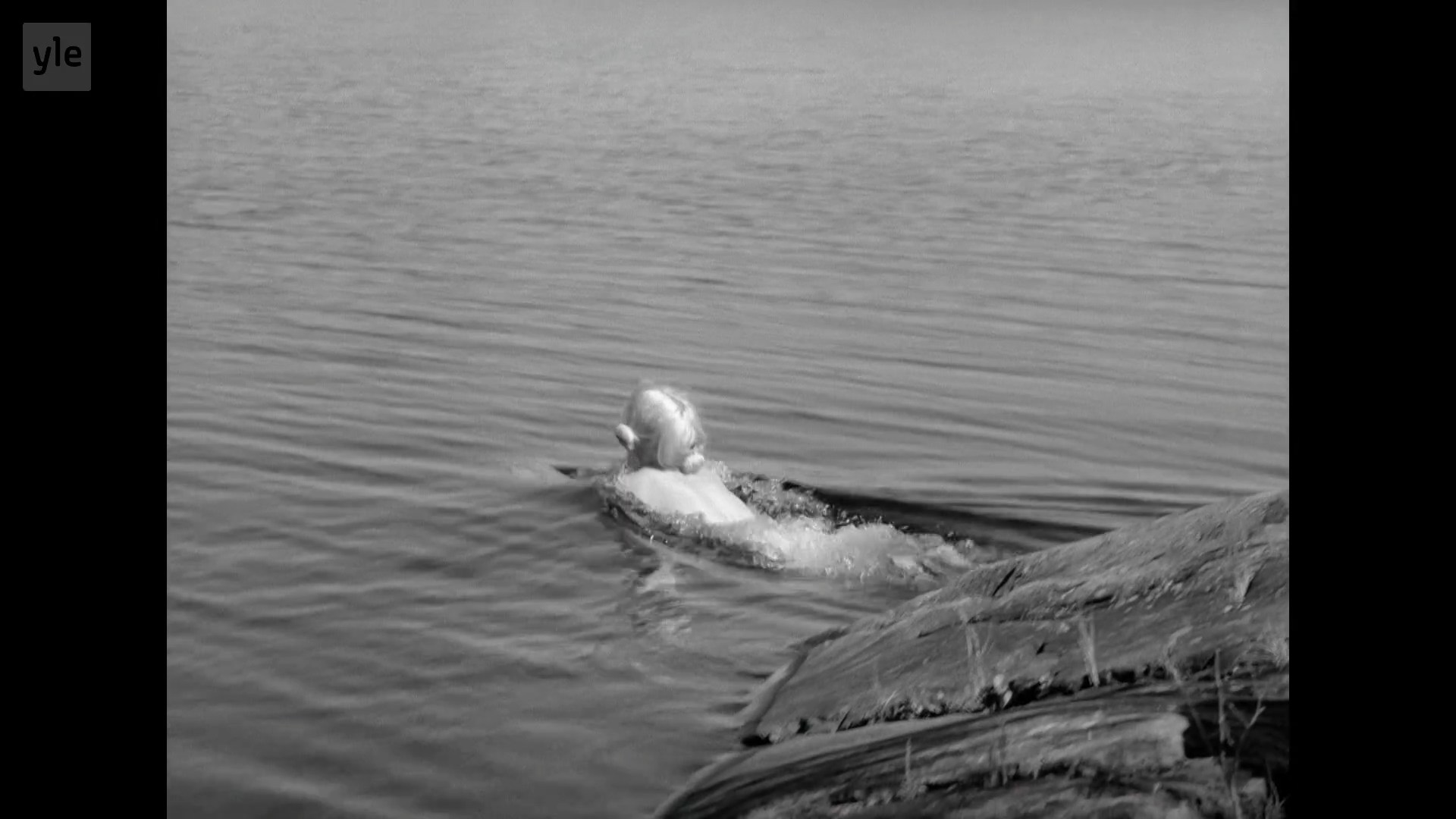
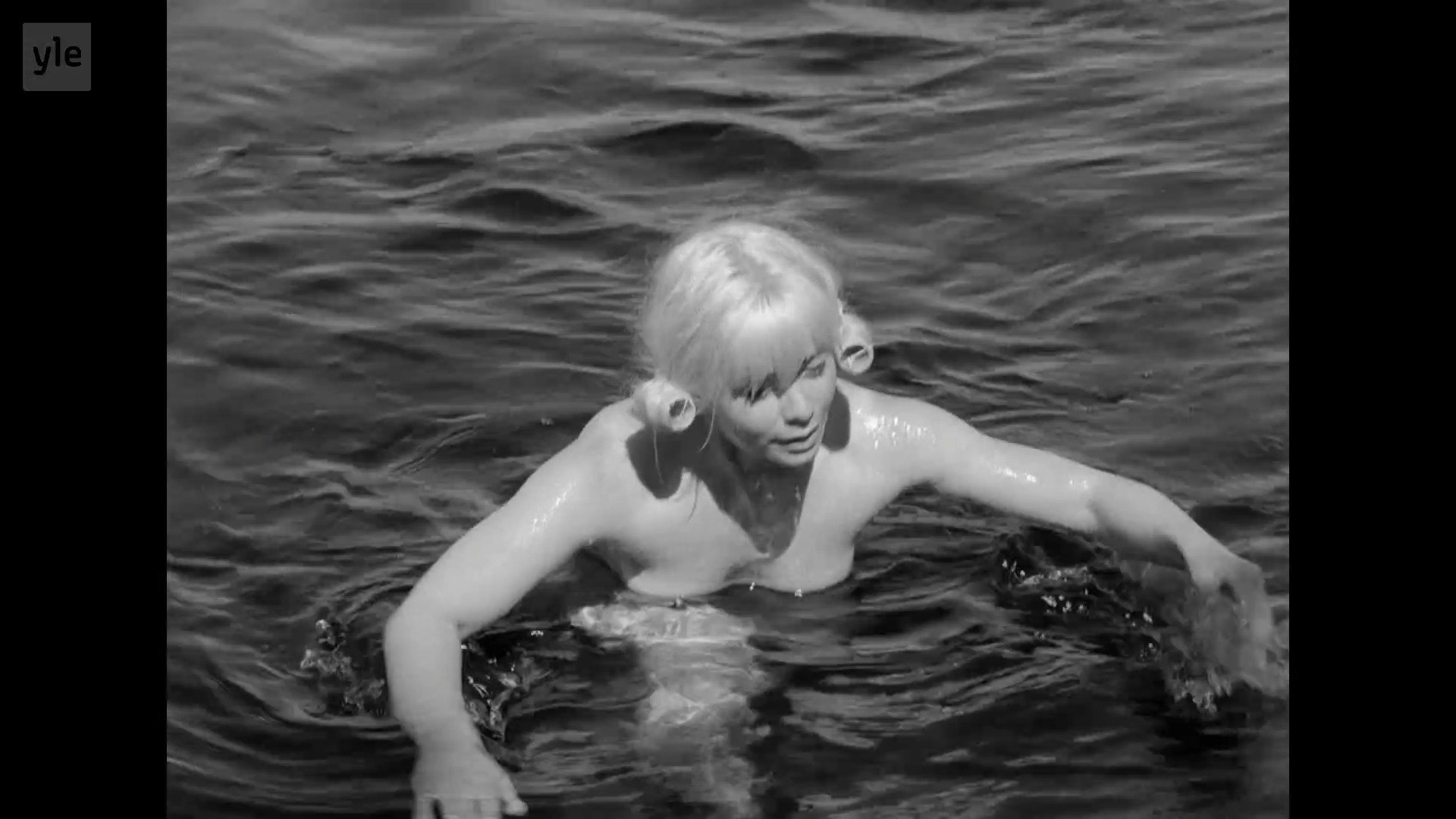
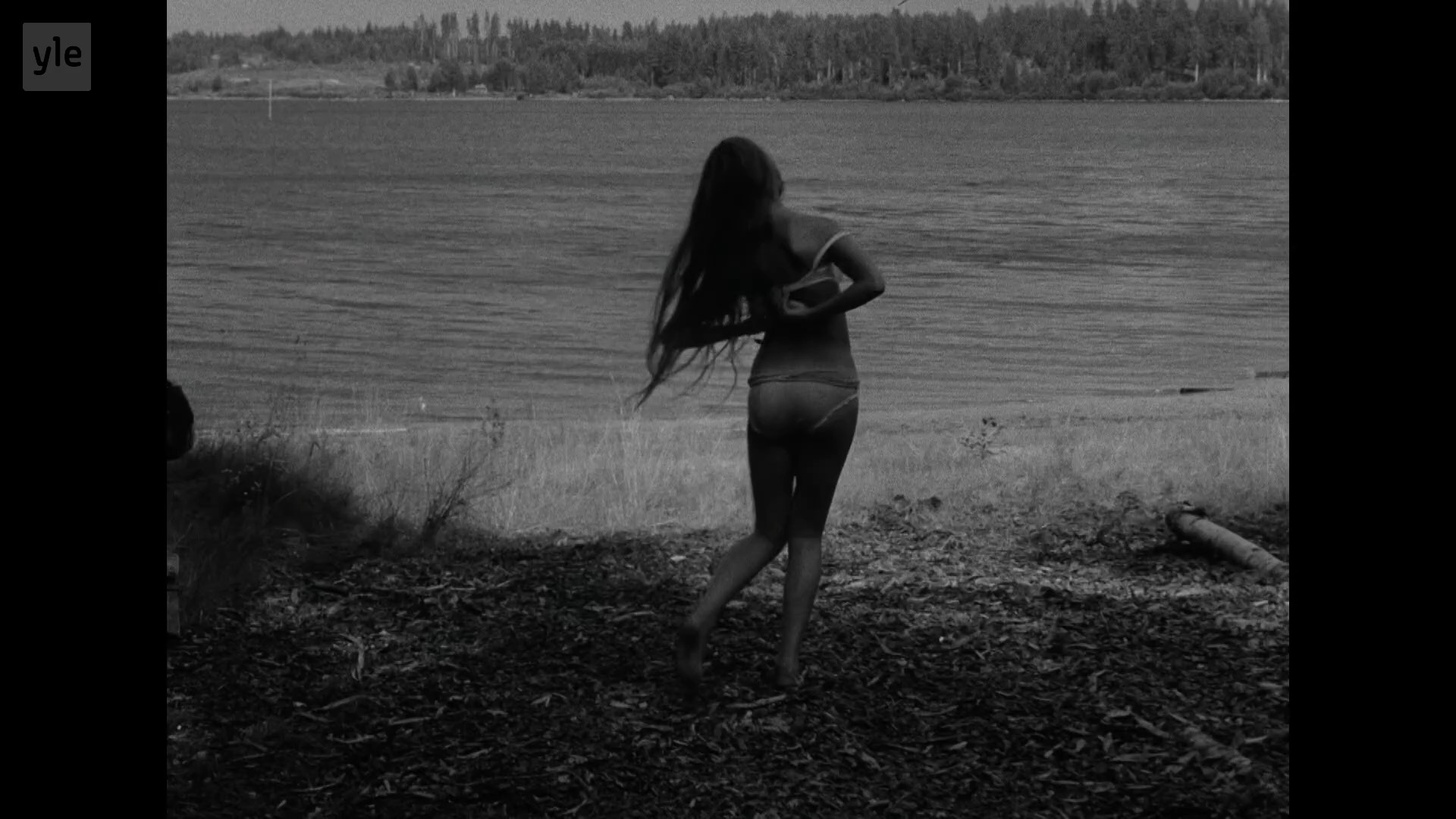
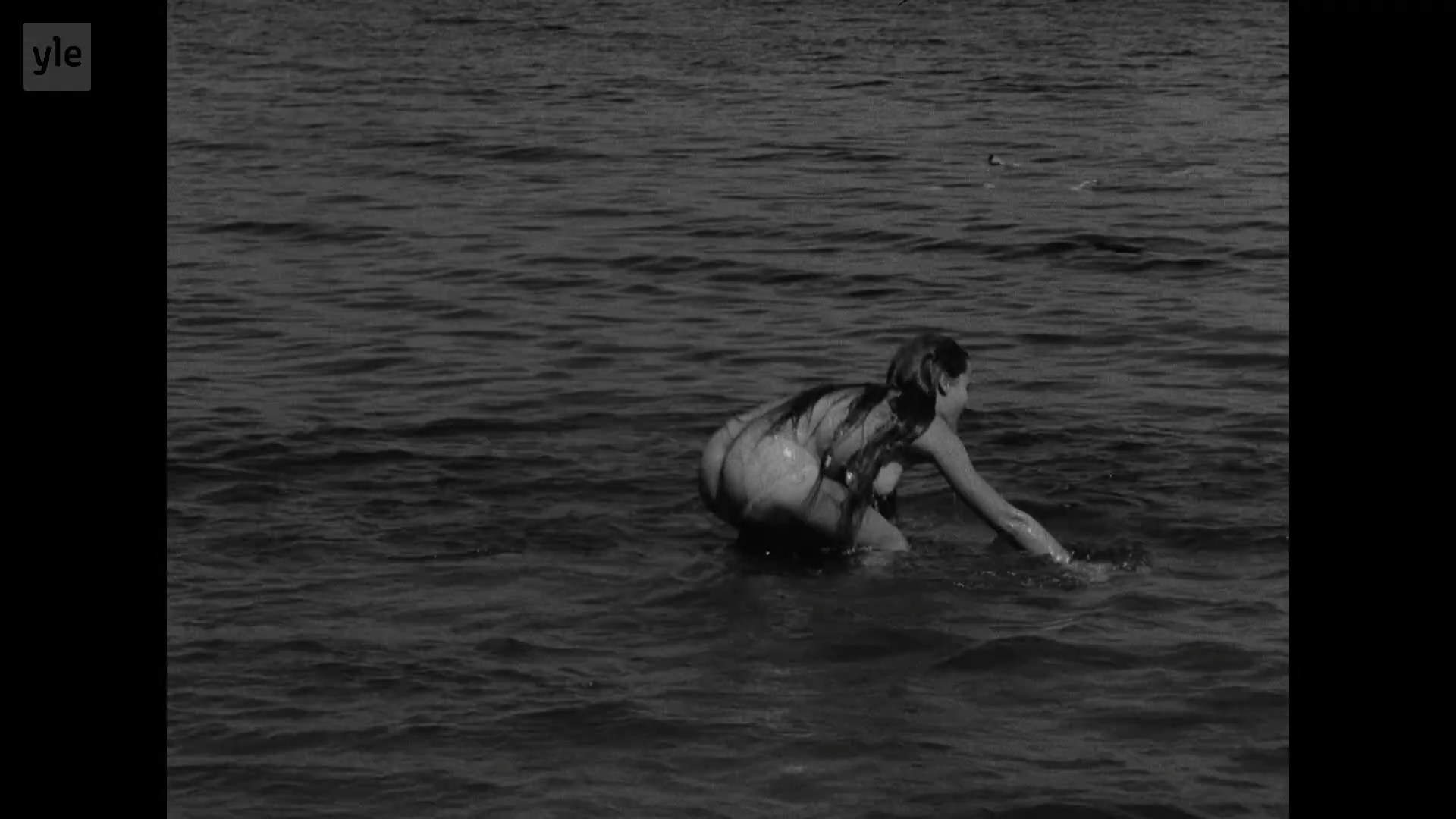
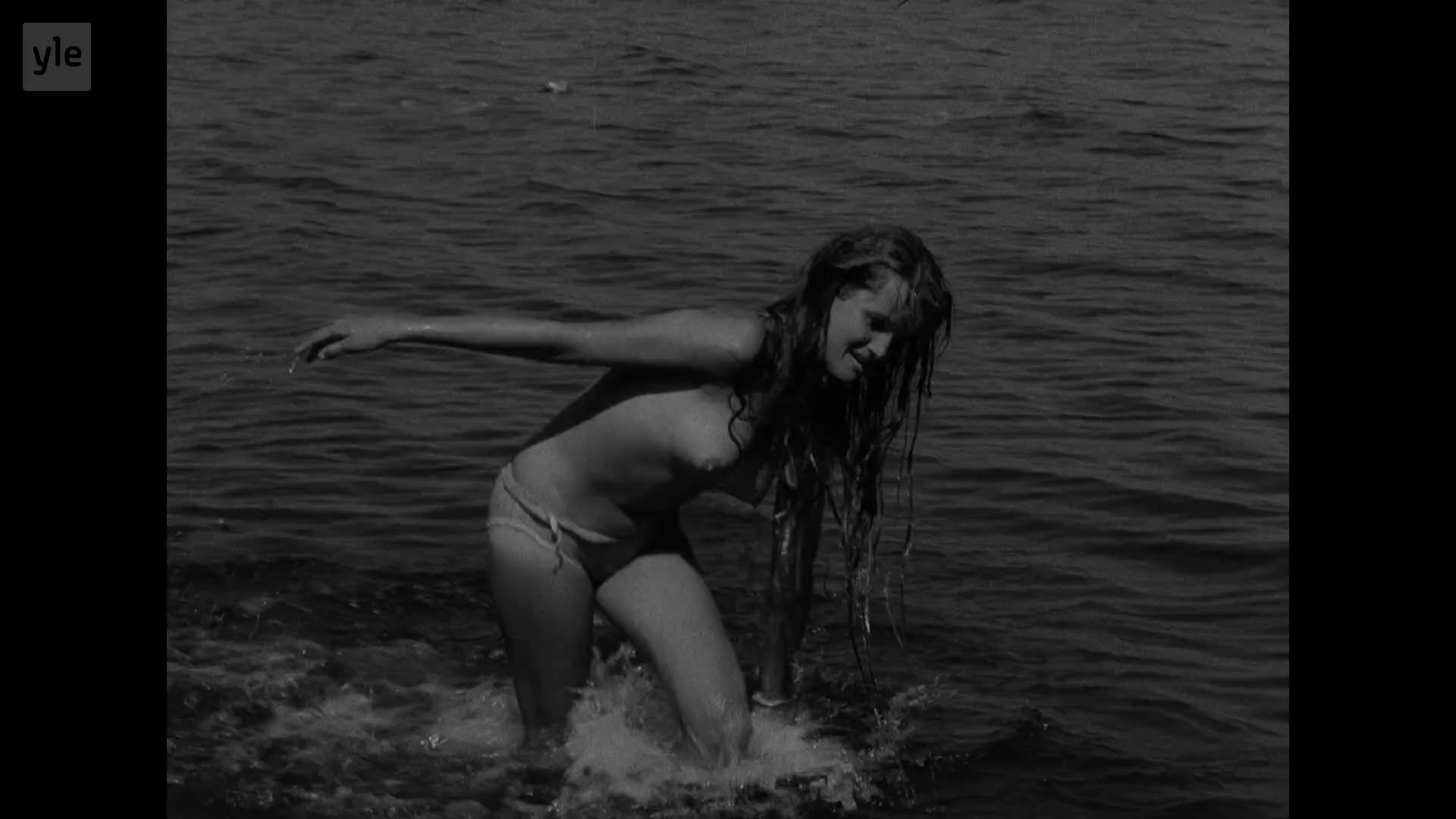
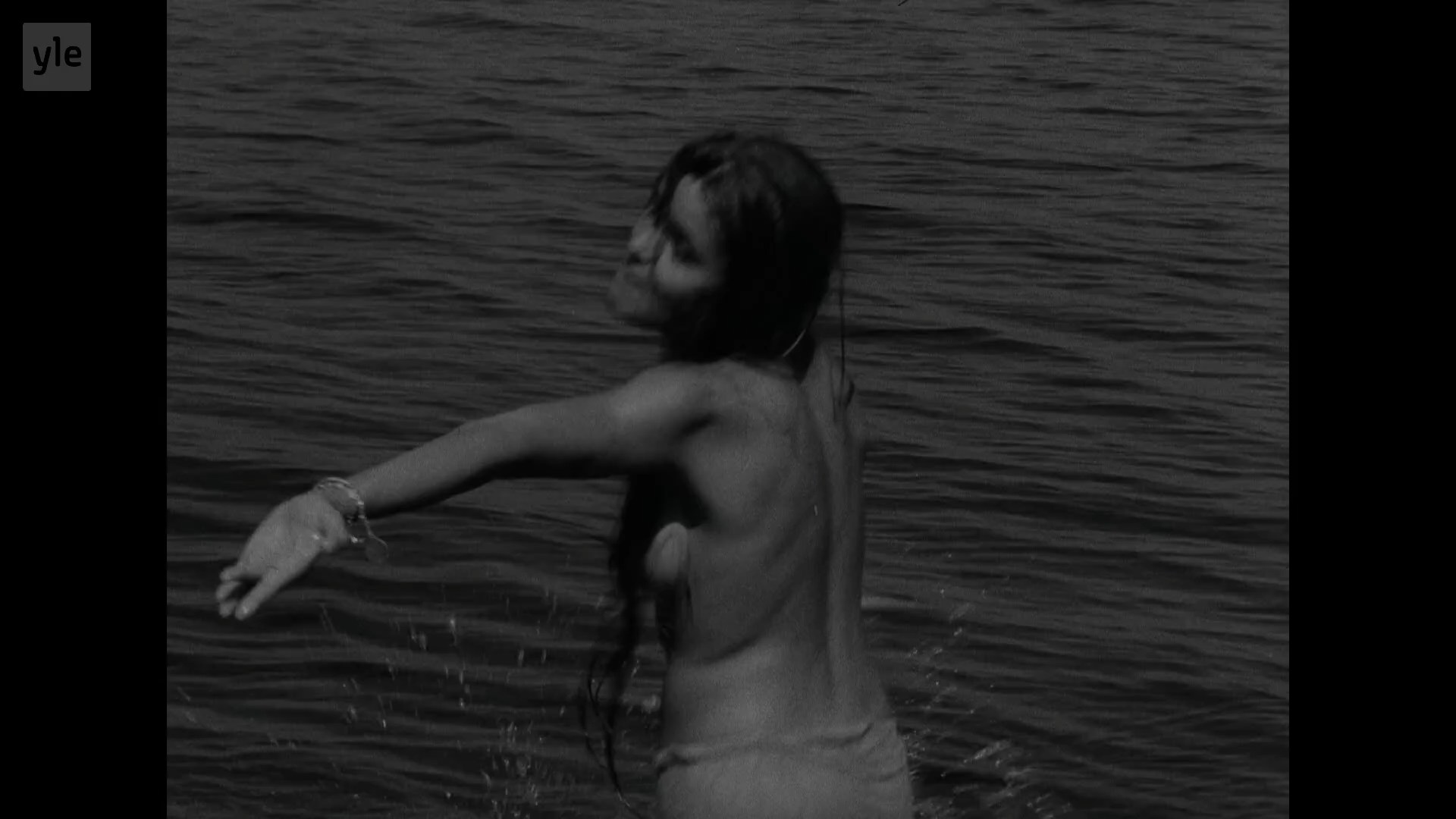
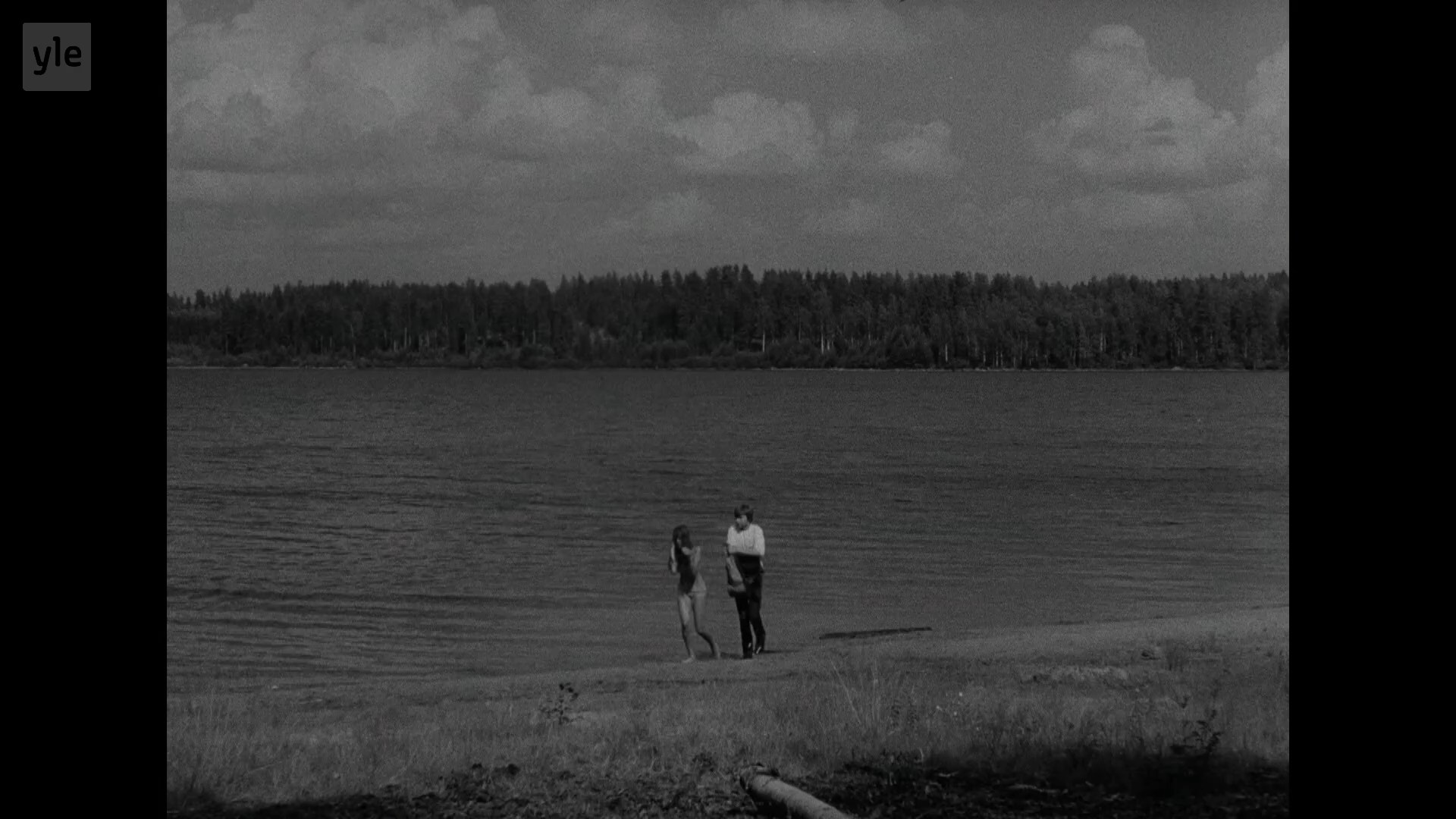
Kirsti Wallasvaara comes out from a tent and goes swimming naked. She shows VERY briefly her tits while removing her bathrobe. Then video cuts to Kristiina Halkola swimming naked. When Kirsti comes out from the sea some creep is watching her
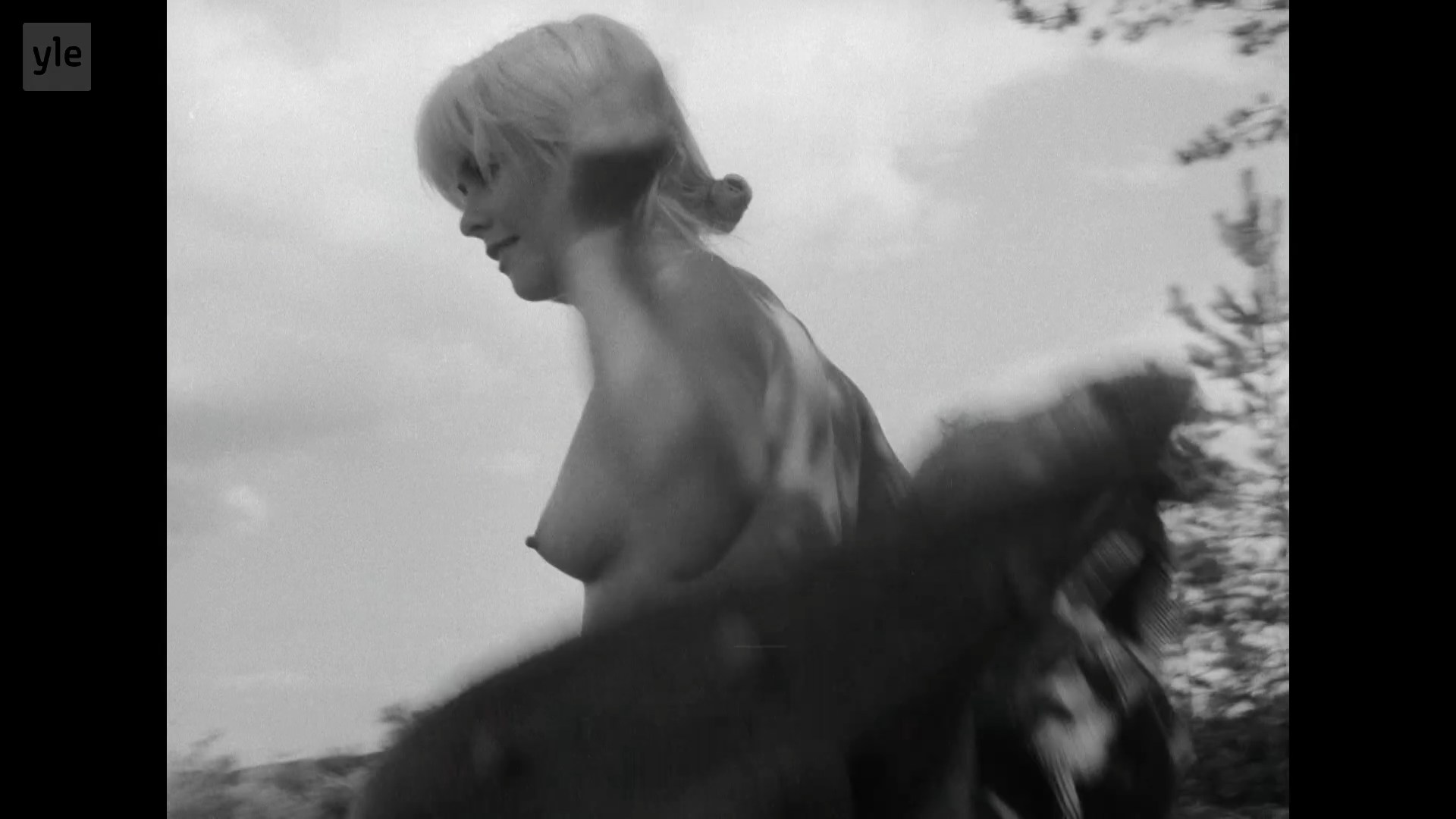
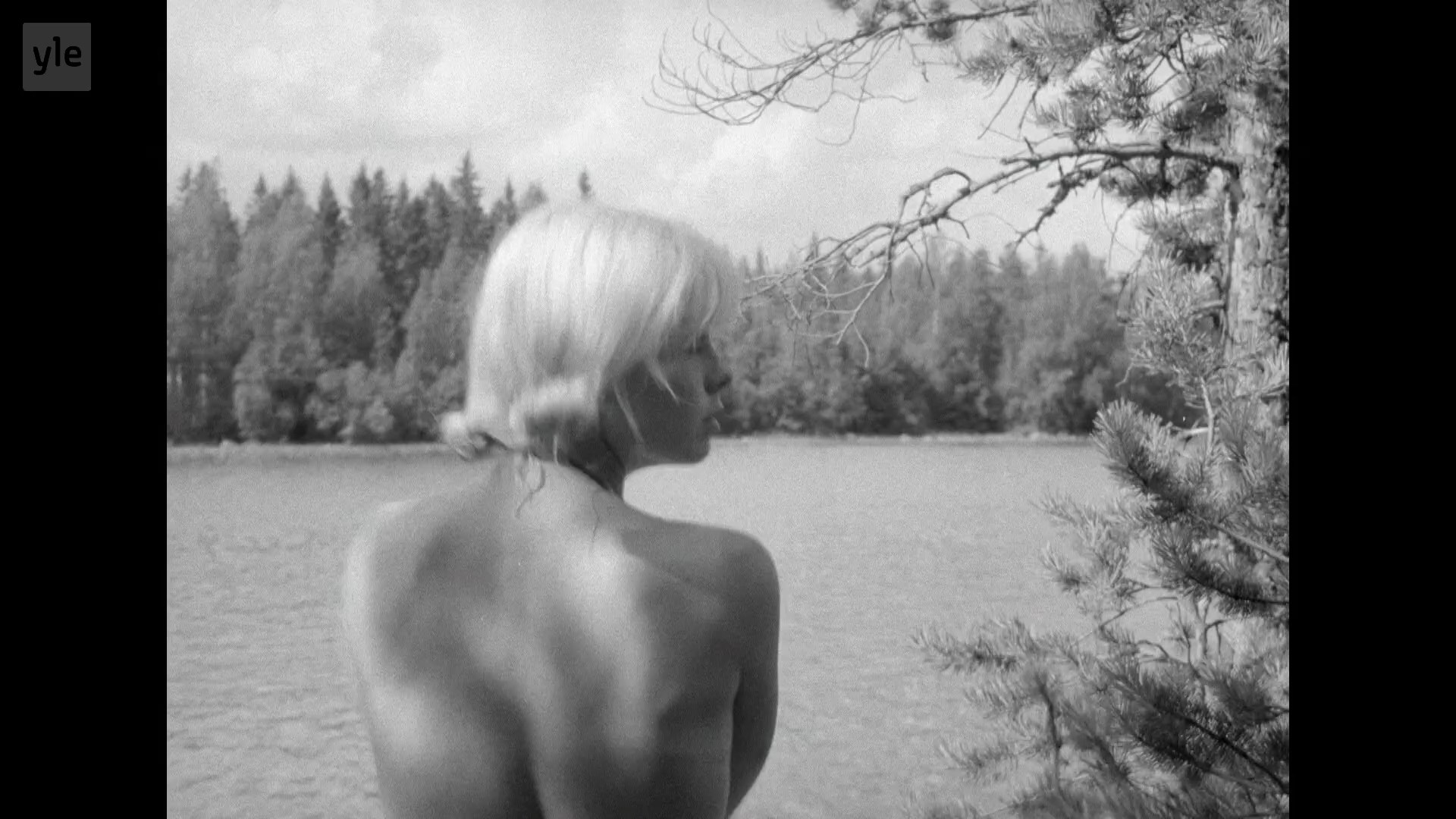
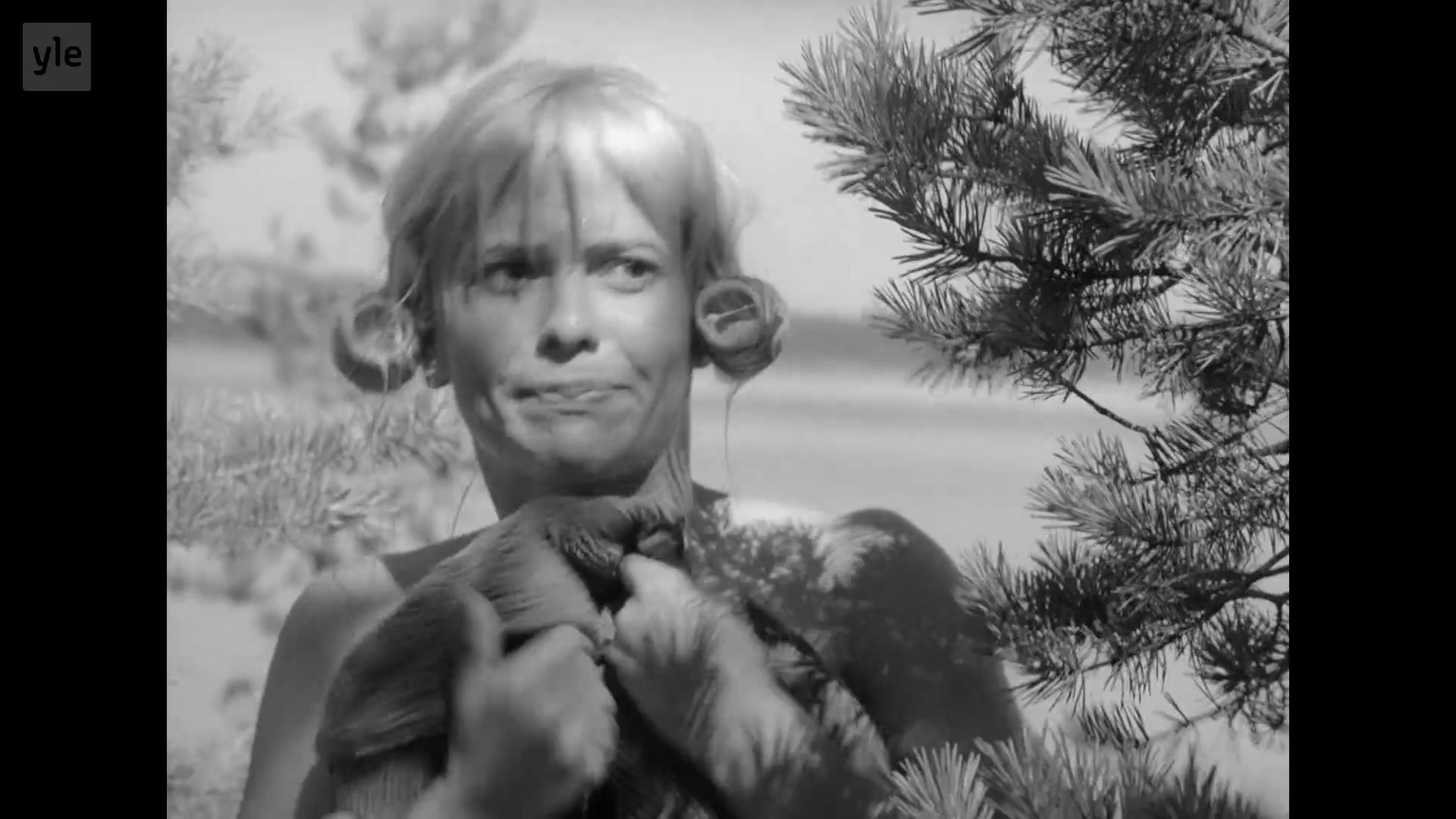
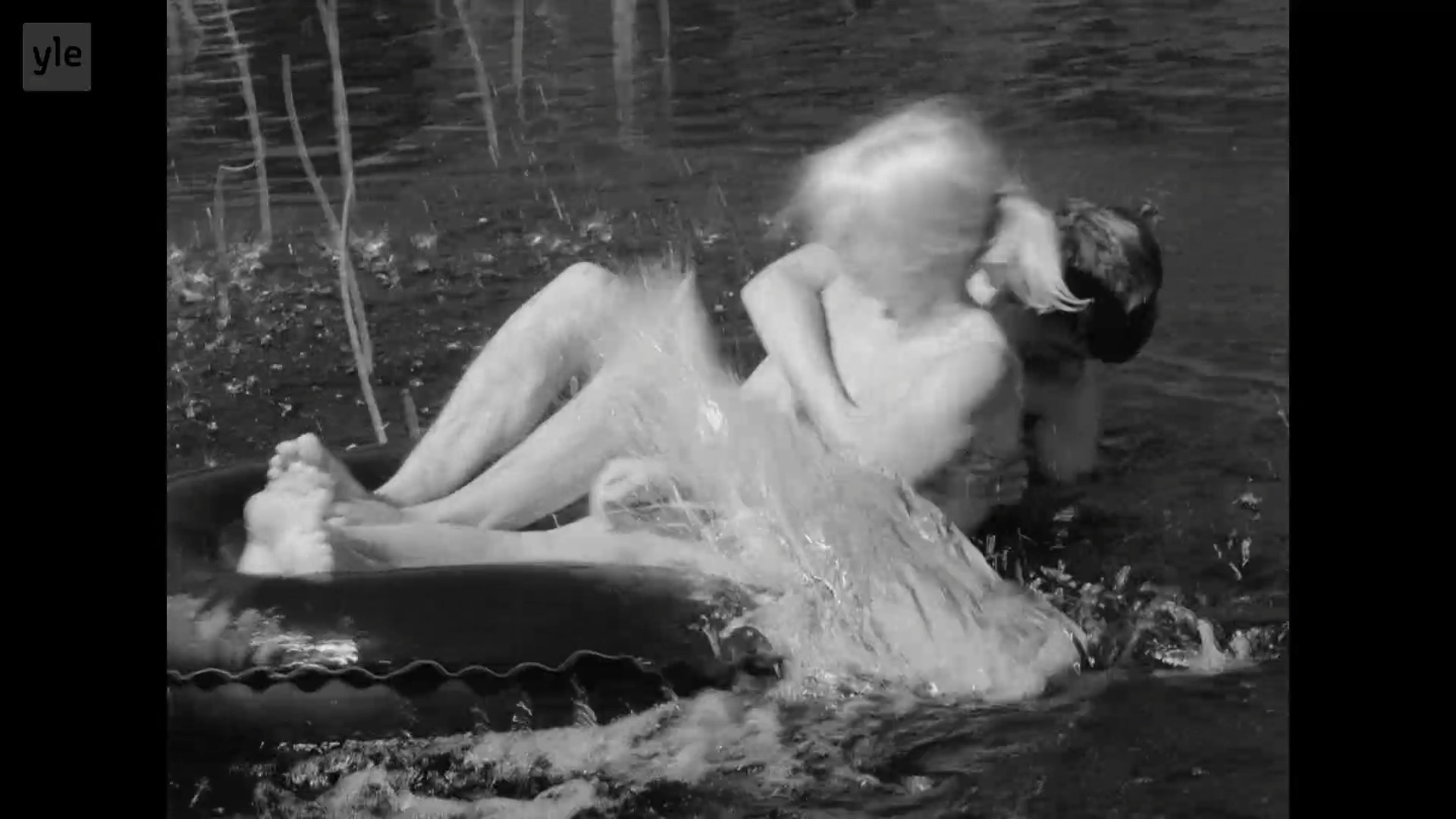
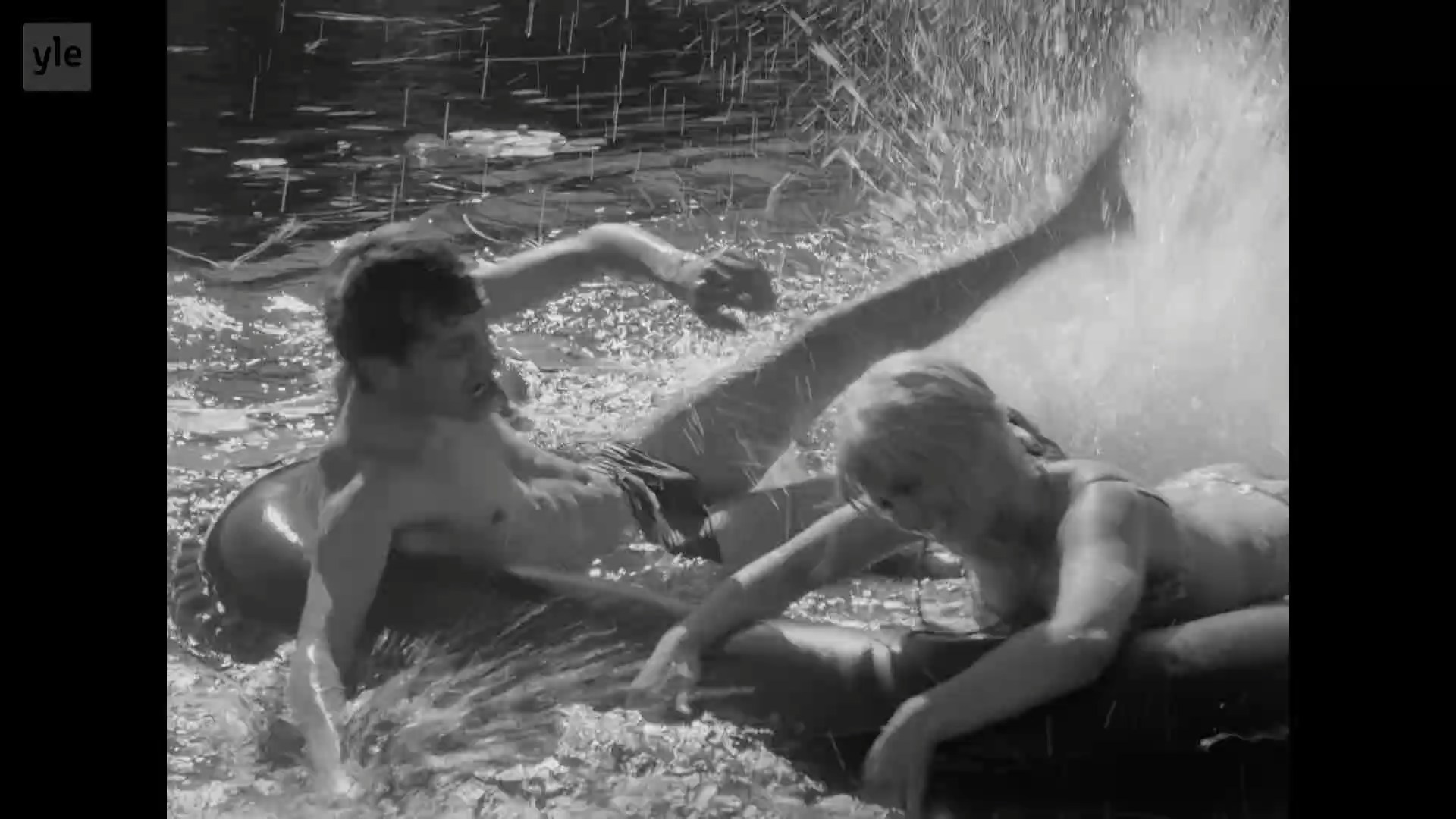
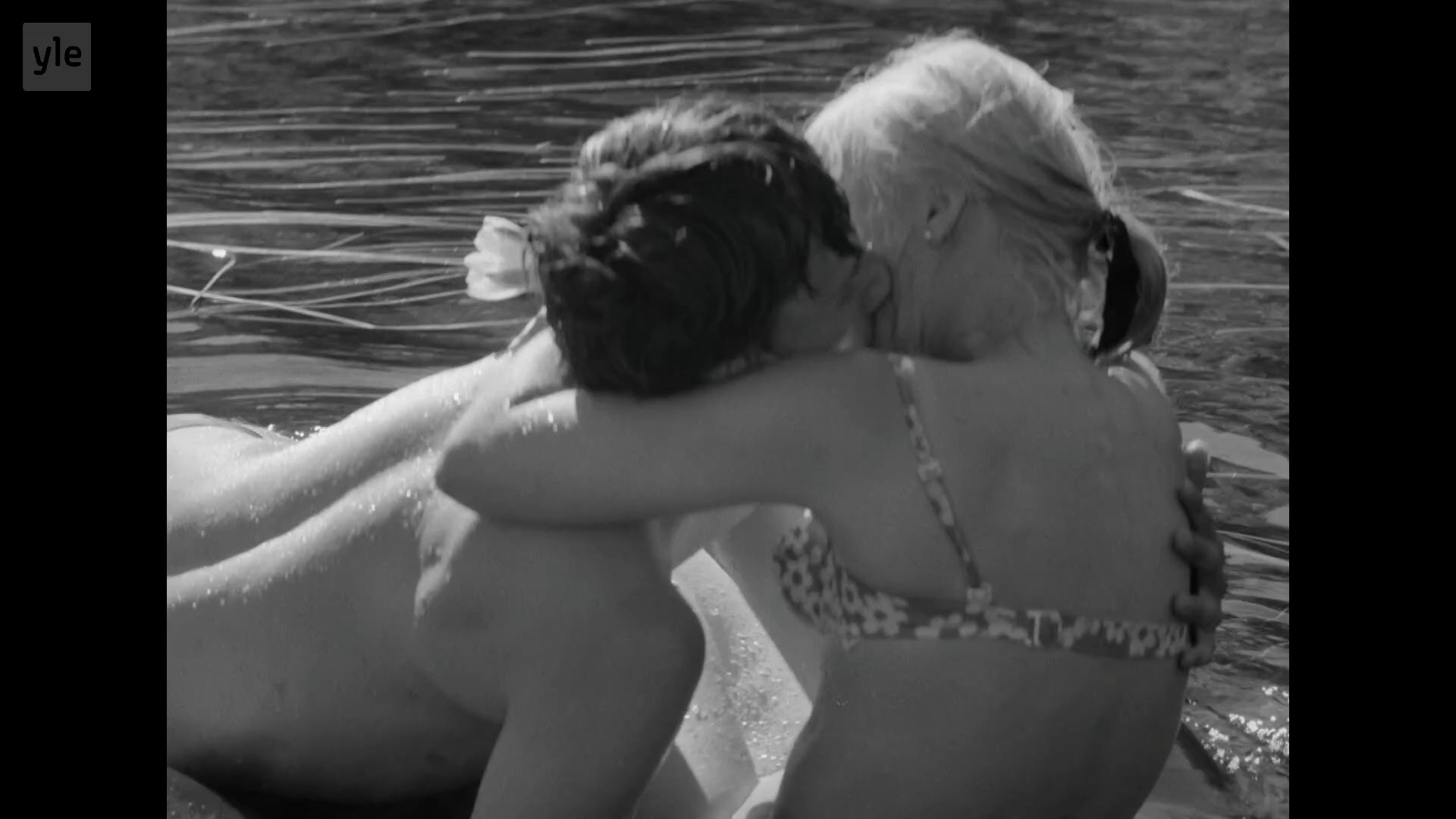
Bikini babes Kirsti Wallasvaara and Kristiina Halkola are play fighting and having fun in the ocean. Both ladies start making out with their men. Both are topless
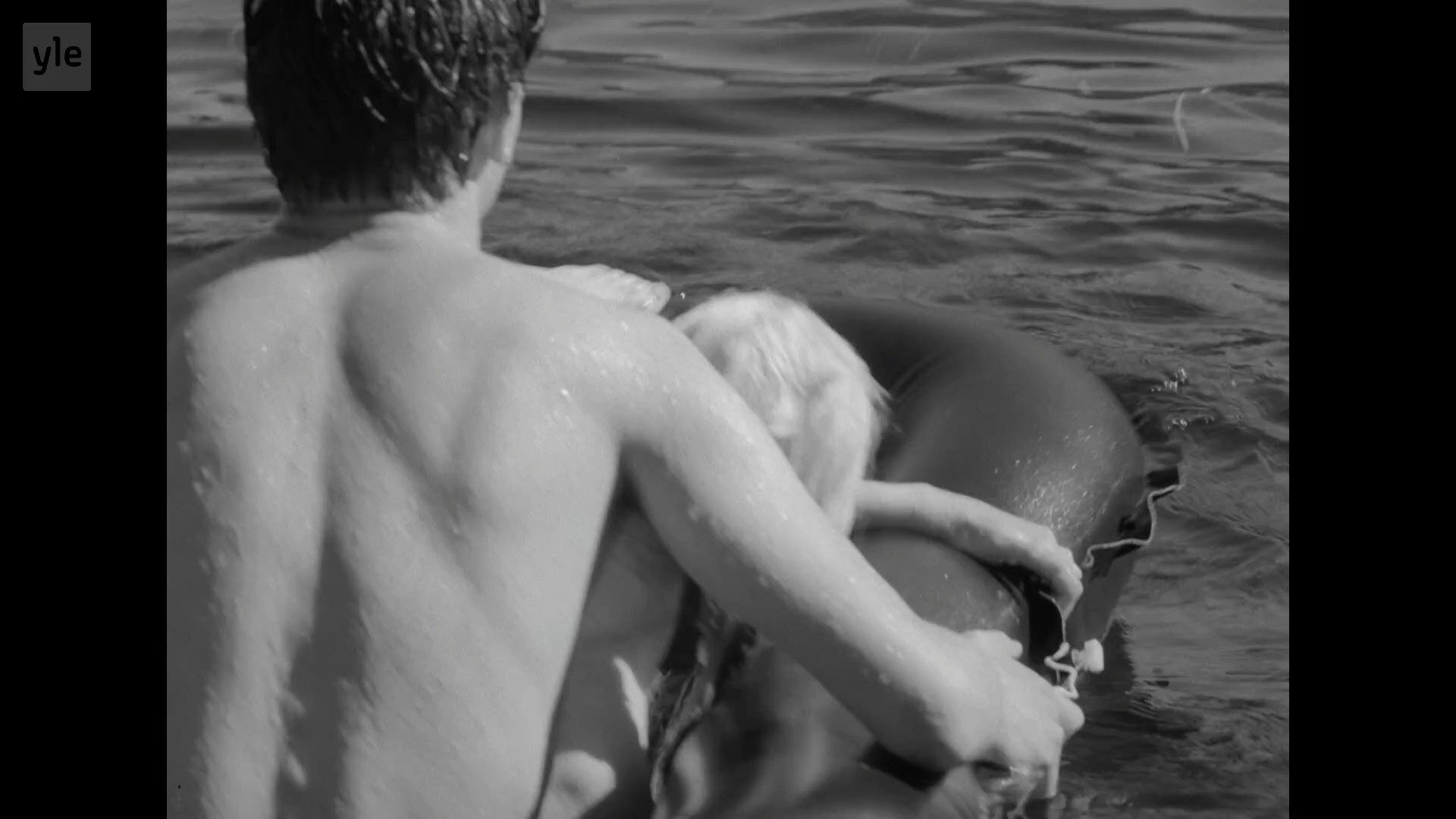
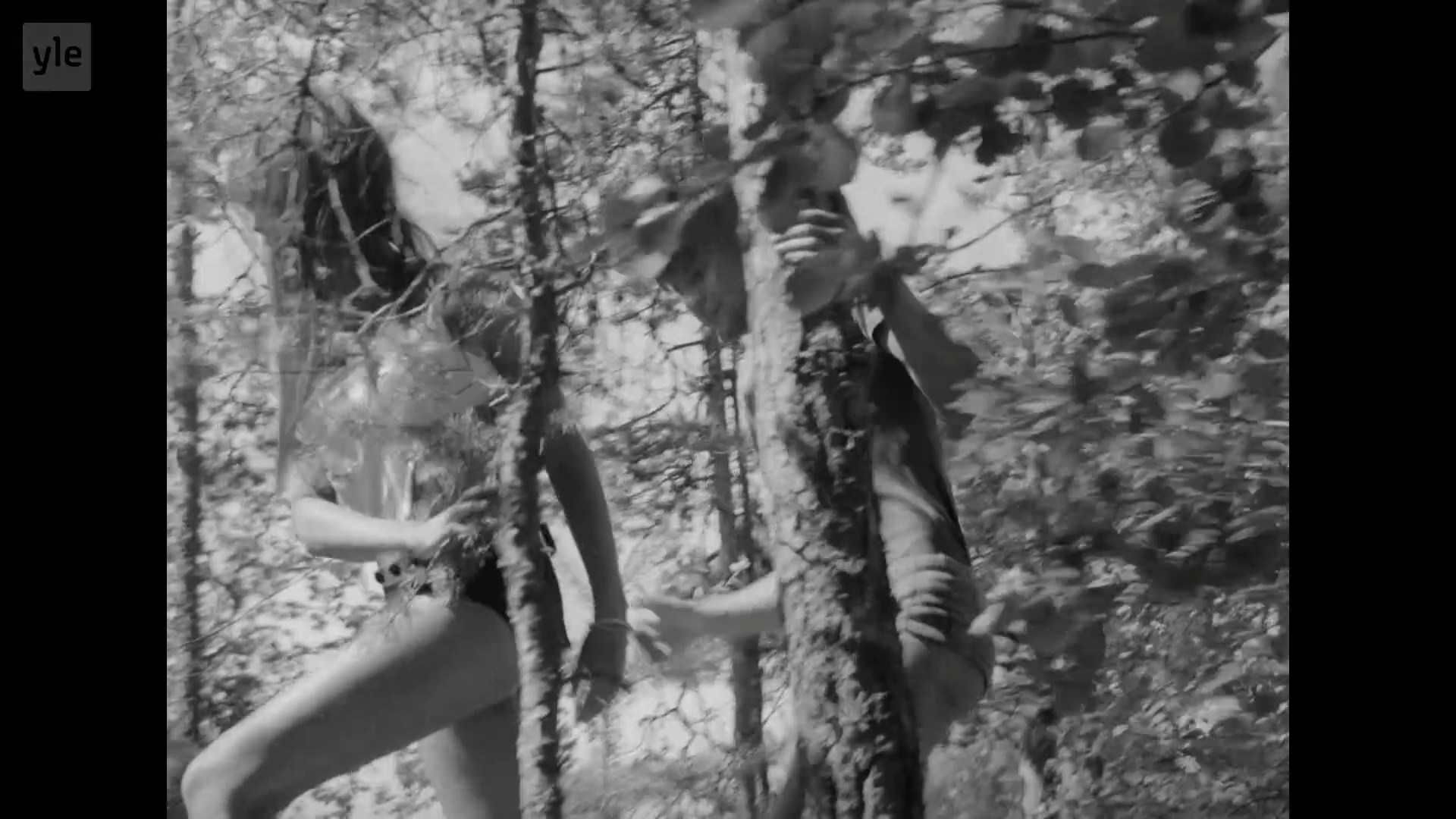
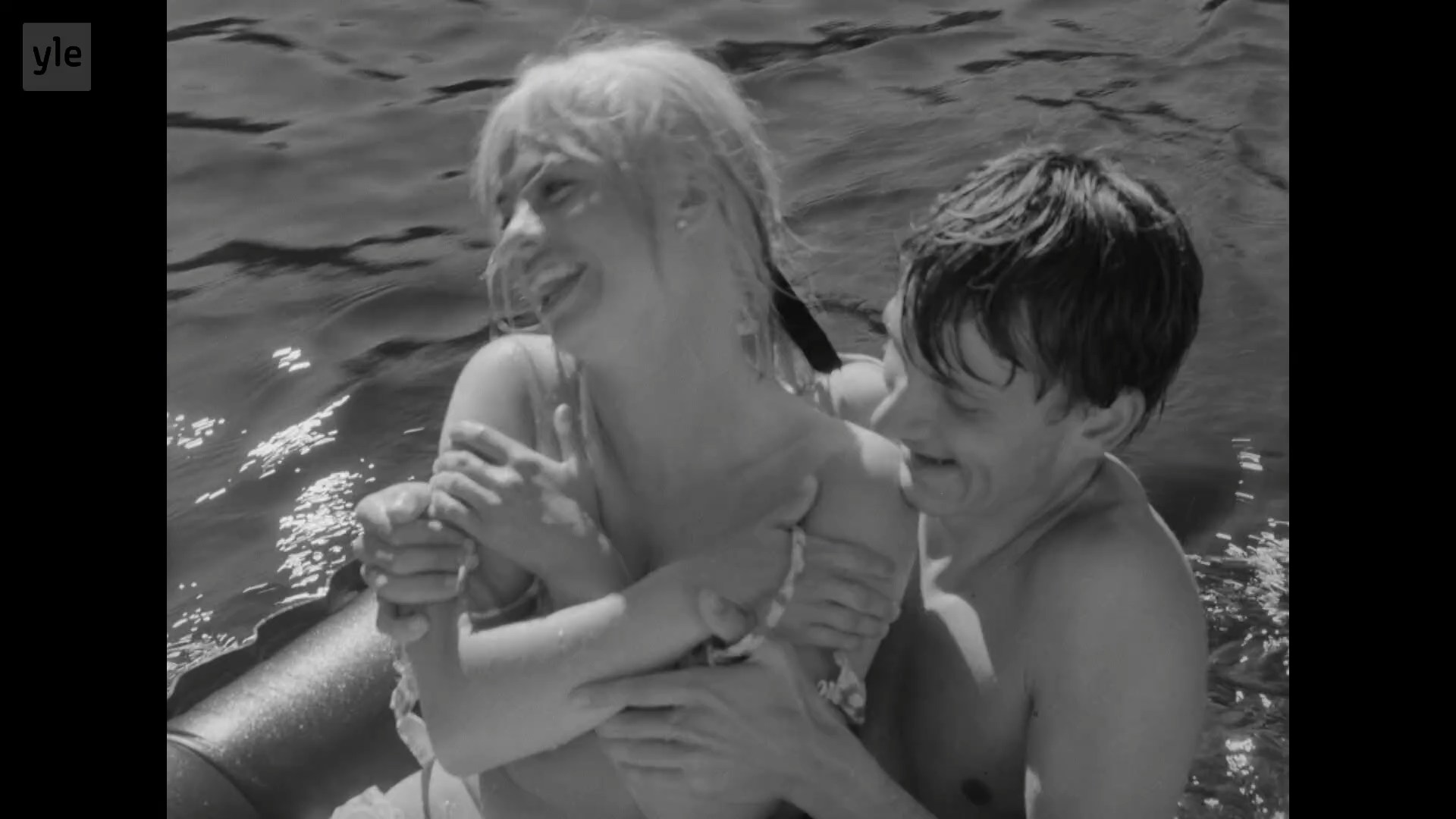

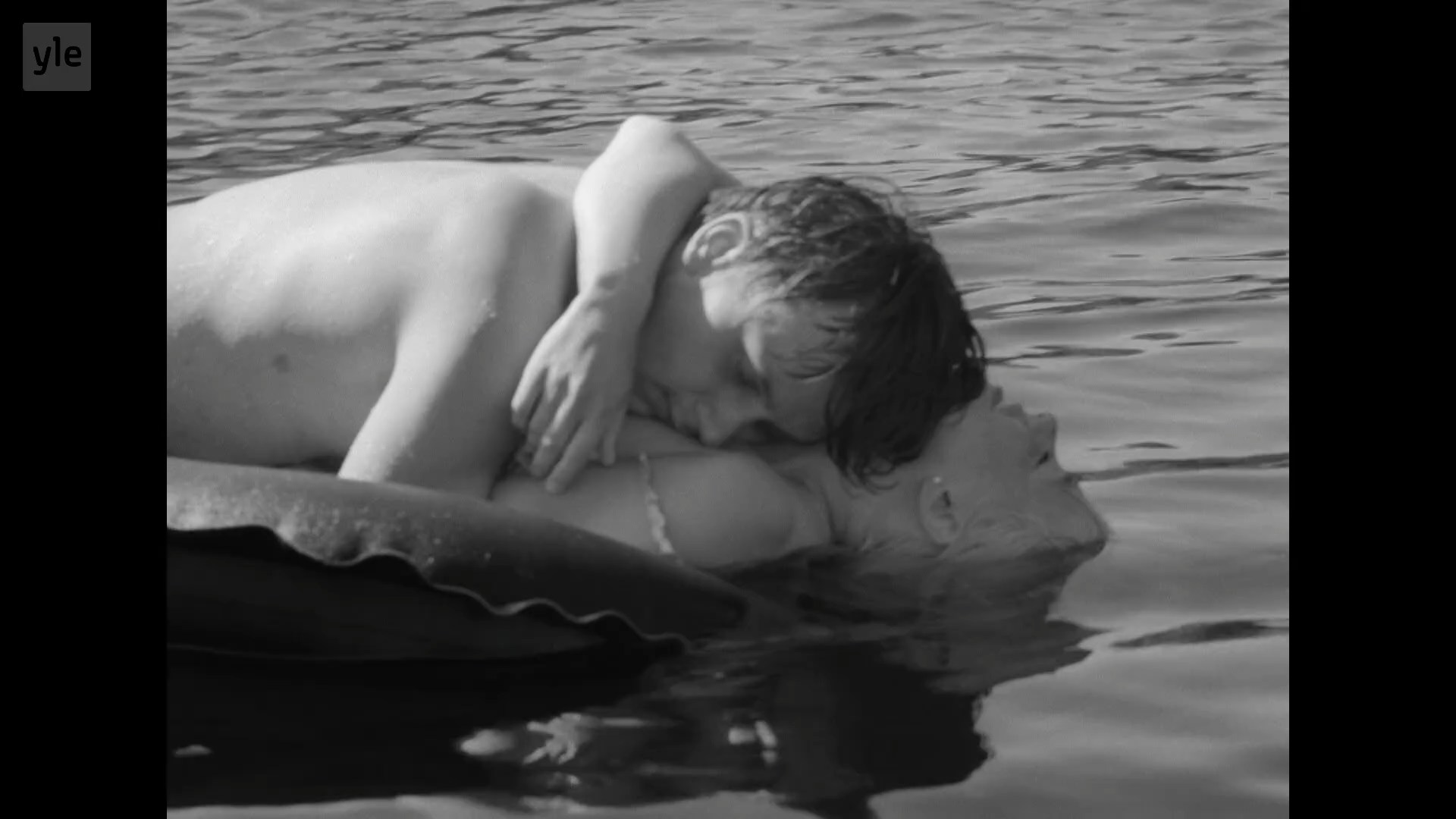
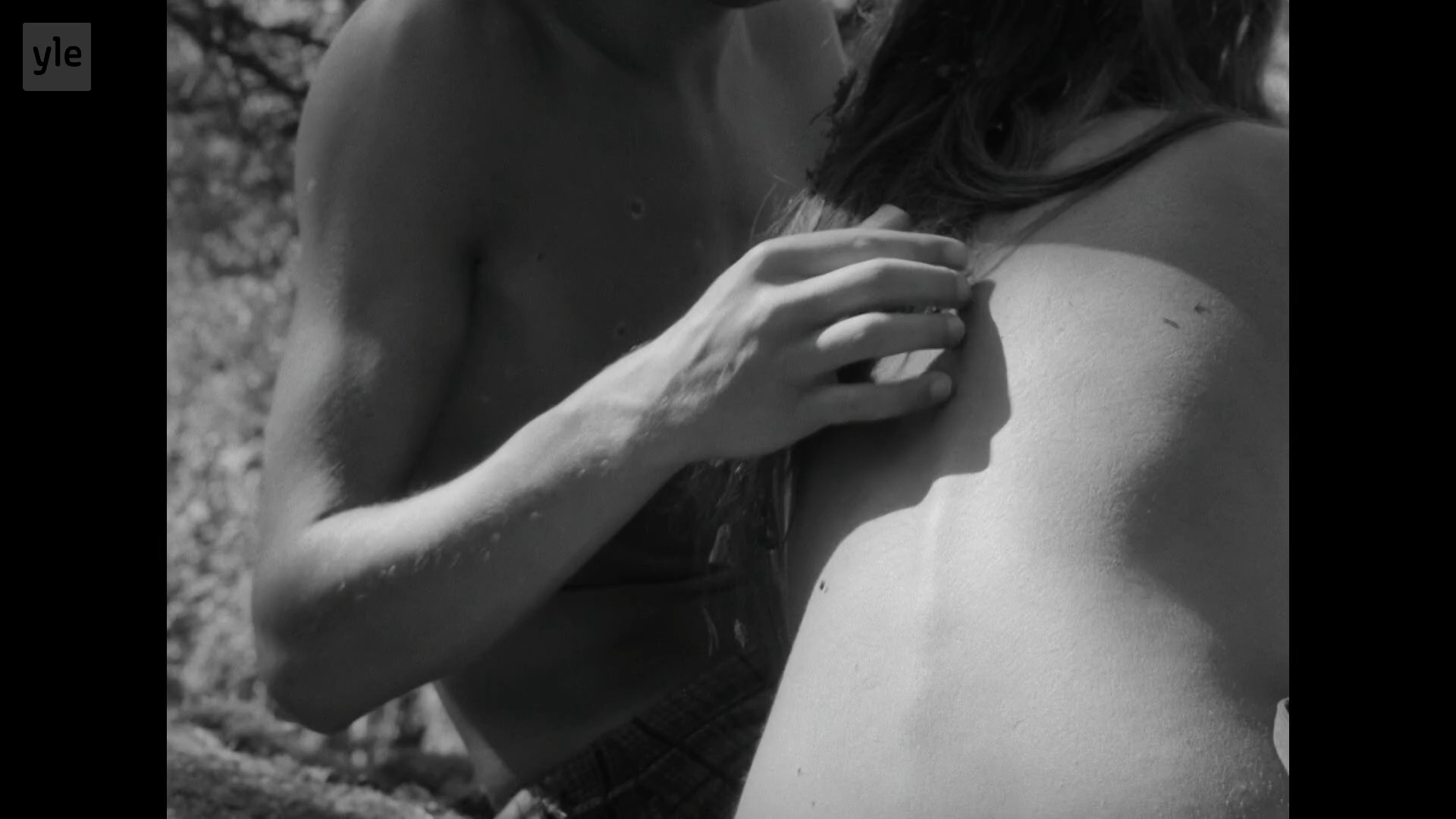
Drunken Kristiina Halkola stubles along the beach while being topless.

About Kirsti Wallasvaara
Kirsti Wallasvaara was a Finnish stage and film actress best known for her roles in the influential Finnish “new wave” films of the 1960s. She became especially famous through director Mikko Niskanen’s films Käpy selän alla (“Under Your Skin”), Lapualaismorsian, and Asfalttilampaat.
She was born in Helsinki on December 23, 1942, and studied at the Theatre Academy Helsinki from 1963 to 1966. Her early interest in acting reportedly began in local amateur theatre in Askola.
One of her breakthrough performances came in the 1966 film Under Your Skin (Käpy selän alla), which became a landmark in Finnish cinema and explored youth, relationships, and sexuality in a way that was considered bold at the time. The film was hugely successful in Finland and helped define a generation of Finnish filmmaking.
Beyond film, Wallasvaara had a long theatre career. She worked with several major Finnish theatres, including the city theatres of Pori, Kuopio, and Lahti, as well as Tampere Workers’ Theatre and KOM-teatteri. She spent many years at Lahti City Theatre before retiring in 2010, though she continued acting afterward in television and theatre productions.
In later years, she appeared in Finnish TV series such as Rakkautta vain, Karppi, and Ex-onnelliset.
Wallasvaara died on November 11, 2021, at age 78 after a long illness. Finnish media and film circles remembered her as one of the iconic actresses of her era.
About Kristiina Halkola
Kristiina Halkola is a Finnish actress, singer, and former politician who became one of the defining cultural figures of Finland in the 1960s and 1970s. She is especially remembered for her breakthrough role in the landmark 1966 film Käpy selän alla (“Under Your Skin”), directed by Mikko Niskanen. The film was controversial and influential for its open treatment of youth, relationships, and sexuality, and it made Halkola a national celebrity almost overnight.
Born Marja Kristiina Halkola on June 3, 1945, in Kuusankoski, she studied at the Theatre Academy in Helsinki after finishing school. Early on, her striking appearance and screen presence attracted attention from filmmakers connected to the Finnish new wave cinema movement.
Besides acting, Halkola became well known as a politically engaged singer during the 1970s. She recorded for Love Records and worked with composer Kaj Chydenius. Her best-known song is probably “Jos rakastat,” which remains familiar to many Finns. Her 1971 album Täytyy uskaltaa reflected the era’s left-wing protest culture and social activism.
Halkola was also politically active herself. During the 1970s and 1980s she was associated with Finland’s radical left and served in municipal politics in Helsinki. She later spoke openly about how political polarization affected her acting career and public image.
Her long-time partner and later husband is actor Eero Melasniemi, who also starred in Käpy selän alla. The couple became one of Finland’s best-known artistic and politically active pairs.
In later decades, Halkola continued working in theatre, television, and film, appearing in productions such as Rauta-aika and the comedy series Hukkaputki. She has remained an outspoken public figure on social and cultural issues well into older age.
About Anneli Sauli
Anneli Sauli was one of the great stars of classic Finnish cinema — often described as the last major glamour star of Finland’s studio-film era. She appeared in films, television, and theatre across seven decades and became known for her striking screen presence, emotional sensitivity, and long, versatile career.
She was born Anneli Helena Savolainen on August 6, 1932, in Pyhäjoki, Finland. Her background was unusual for a Finnish film star of the time: her biological father was Finnish Romani, and Sauli later spoke publicly about growing up feeling different because of her heritage.
Sauli’s breakthrough came in 1953 when producer-director T. J. Särkkä cast her in the lead role of Hilja – maitotyttö (“Hilja the Milkmaid”). According to later accounts, she was hired almost immediately after being seen at theatre events in Helsinki. Her beauty and natural charisma quickly made her a major star in Finnish cinema.
During the 1950s and early 1960s she appeared in many popular Finnish films, but she also built an international career in West Germany under the stage name “Ann Savo.” There she acted in crime thrillers and dramas, including films connected to the famous Dr. Mabuse and Edgar Wallace series.
Among her best-known films are:
- Hilja – maitotyttö (1953)
- Miriam (1957), which screened at the Berlin International Film Festival
- Levoton tuhkimo
- The Man Without a Past (2002) by Aki Kaurismäki
Beyond film, Sauli had a substantial theatre career, especially at Joensuu City Theatre, where she worked for roughly 25 years. After retiring from theatre in the 1990s, she continued acting in television series and films. Finnish audiences also remembered her from TV productions such as Hovimäki and Käenpesä.
She received several lifetime achievement honors, including the prestigious Jussi Award honorary “Betoni-Jussi” in 2013.
In March 2022, Anneli Sauli died in Helsinki at age 89. Finnish media widely remembered her as an icon of Finnish cinema — elegant, resilient, and ahead of her time in many ways.
About Käpy selän alla
Käpy selän alla (“Under Your Skin” or sometimes Skin, Skin) is one of the most important films in Finnish cinema history. Directed by Mikko Niskanen and released in 1966, it became a cultural phenomenon and a defining work of the Finnish “new wave” movement.
The film follows four Helsinki students — Riitta, Leena, Santtu, and Timppa — who go on a summer camping trip to the countryside. What begins as a relaxed holiday slowly turns into an emotionally tense exploration of love, jealousy, identity, and sexual freedom.
The main cast includes:
- Kristiina Halkola as Riitta
- Kirsti Wallasvaara as Leena
- Eero Melasniemi as Santtu
- Pekka Autiovuori as Timppa
- Anneli Sauli in a supporting role
At the time, the movie felt radically modern in Finland. It portrayed young people speaking naturally, questioning social norms, discussing politics and sexuality openly, and behaving in ways rarely seen in Finnish films before. Critics and audiences saw it as a break from the old studio-era style of filmmaking.
The screenplay was written by Marja-Leena Mikkola, and parts of the dialogue and performances were shaped through improvisation with the young actors. That gave the film a loose, authentic feeling that many viewers associated with European art cinema of the 1960s.
The soundtrack, composed by Kaj Chydenius and Otto Donner, also became iconic. The music helped define the atmosphere of Finnish youth culture in the late 1960s.
Commercially, the film was a huge success. It became the highest-grossing Finnish film since The Unknown Soldier and won six Jussi Awards. Many historians consider it the breakthrough film that revived Finnish cinema during a difficult period after the collapse of the old studio system.
Today, Käpy selän alla is regarded as both a cult classic and a time capsule of 1960s Finland — especially the era’s youth radicalism, emotional openness, and changing attitudes toward relationships and individuality.

Recent Comments